Taking Custom Design to New Levels
PROUD TO BE PART OF THE BRIN FAMILY OF COMPANIES

OTHER BRIN LOCATIONS
Brin Glass Company | Minneapolis, MN
St. Germain’s Glass | Duluth, MN
Heartland Glass | Waite Park, MN

Robotics and automation are no longer distant factory experiments. They move parts, inspect welds, and package orders on real production lines. The International Federation of Robotics’ World Robotics 2024 report recorded 541,302 industrial robot installations in 2023. The global operational stock reached about 4.28 million units. That scale matters. It also raises practical questions about cost, skills, safety, and the right tasks to automate.
The opportunity is not limited to factories. The OECD’s Employment Outlook 2023 estimated that 27% of jobs across its member countries are in occupations at high risk of automation. That does not mean those jobs will simply disappear; tasks and roles can change. Robotics pioneer and entrepreneur Elon Musk warned, “There will be fewer and fewer jobs that a robot cannot do better.” His remark is a useful prompt, not a complete forecast. Businesses should weigh productivity gains against retraining needs and the realities of implementation.
The case deserves scrutiny. A robot arm may reduce repetitive lifting, but it still needs integration, maintenance, and skilled oversight. Some projects disappoint. Strong decisions start with a specific bottleneck, measurable goals, and a plan for workers affected by change. This article examines why businesses invest in robotics and automation, where returns may come from, and what leaders should assess before committing.
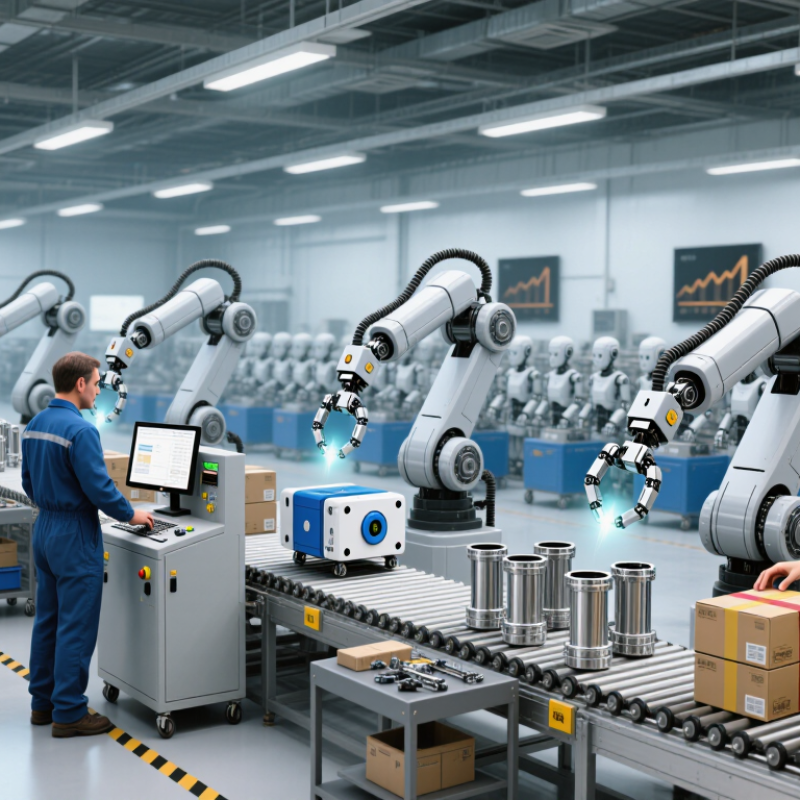
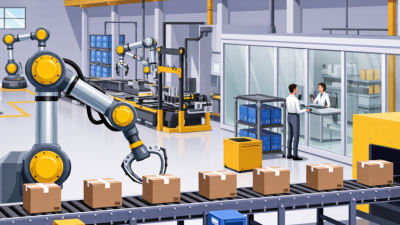
In a business context, robotics means machines that sense their surroundings and perform physical tasks with limited or guided human input. Automation is broader: software, sensors, conveyors, and controls can move information or materials without repeated manual action. A robot may load a milling machine; an automated system may also schedule work and flag tool changes. These ideas overlap. Often, the robot is only one part of the process. That matters. Businesses use these systems for tasks such as palletizing boxes, inspecting welds, or routing orders between workstations.
The practical question is not simply whether a machine can do a task. It is whether the surrounding workflow is ready. A work cell may need guarded space, reliable parts, clear exception procedures, and staff trained to restart it safely. Small details count: a crooked carton can stop a line, while a dusty sensor can produce false readings. Teams should compare cycle time, defect rates, downtime, and maintenance costs before and after deployment. Numbers reveal trade-offs. Automation can reduce repetitive strain and variability, but it can also shift work toward monitoring, setup, and troubleshooting. That change deserves honest discussion. The boundary between automated and manual work is rarely clean; operators still judge unusual materials or unexpected process behavior.
Why Should Businesses Invest in Robotics and Automation?
How Robotic and Automated Systems Operate
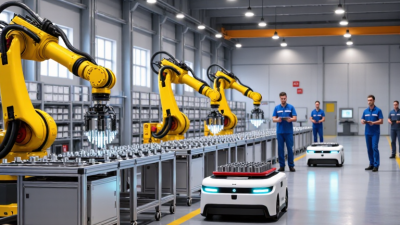
A robotic cell turns instructions into physical movement. Sensors detect parts, distance, position, and sometimes temperature. A controller compares those signals with programmed targets, then directs motors and grippers. That is not magic. It is a repeated loop of sensing, deciding, and acting. If a component shifts on a conveyor, the system may adjust its path or pause for inspection.
The International Federation of Robotics reported 541,302 industrial robot installations worldwide in 2023, in its World Robotics 2024 report. That scale reflects growing use, but it does not mean every task suits automation. A typical setup may include a robot arm, safety scanners, a controller, and software linking production data. Operators set recipes, monitor faults, and handle exceptions. Small errors in calibration can still cause rejected parts.
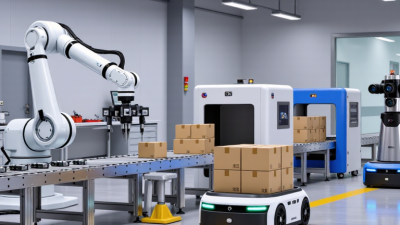
Automation works best when the process is clear and repeatable. A packing line, for example, can use cameras to locate cartons, then a robotic arm to place products consistently. Software records cycle times and stoppages, helping teams spot bottlenecks. Yet integration takes planning. Older equipment may not share data cleanly, and unusual products can confuse vision systems. A practical pilot should measure throughput, downtime, and defect rates before expansion. The numbers may disappoint at first. That is useful feedback, not a reason to hide the result.
How Robotic and Automated Systems Operate
Industrial robots follow programmed instructions and use sensors and control systems to perform repeatable tasks. Rising global installations show increasing adoption of automation, which can help businesses improve consistency and productivity; installation totals alone do not measure a specific business’s return on investment.
Source: International Federation of Robotics (IFR), annual industrial robot installations. Values are approximate, in thousands.
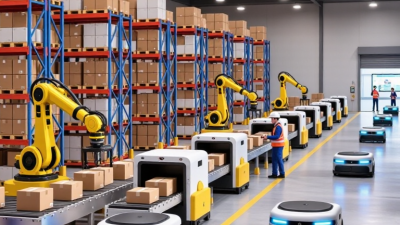
Businesses apply robotics and automation wherever work is repetitive, physically demanding, or sensitive to small errors. In manufacturing, robotic arms can weld parts, apply consistent coatings, or move components between stations. Sensors help detect misaligned pieces before they continue down the line. Small gains matter. In warehouses, autonomous carts can carry bins between storage and packing areas, while software tracks inventory and flags low stock. These systems can reduce unnecessary walking, but crowded aisles and changing layouts still require careful planning.
Automation also supports agriculture, healthcare, and food production. Farm equipment can guide planting with measured spacing, while sorting systems separate produce by size or visible defects. In clinics, automated devices may manage routine supply delivery, leaving staff more time for patient care. Not every task fits. Delicate decisions, unusual cases, and direct human interaction still benefit from skilled people. A poorly chosen system can create new delays, especially when workers lack training or equipment cannot communicate with existing tools.
Tips: Start with one clearly defined task, such as moving boxes between two work areas. Record current cycle time, error rates, and maintenance needs before testing a solution. Ask the people doing the work where bottlenecks occur. Set a review date, and be willing to adjust the process—or reconsider the investment—if results fall short.
Robotics and automation improve productivity when they remove a real bottleneck, not merely add equipment.
Deloitte’s 2024 Smart Manufacturing Survey found that manufacturers expect smart manufacturing initiatives to raise production output by 10–20% and employee productivity by 7–20%. These are survey expectations, not guaranteed results.
On a packing line, for example, a robot can handle repeated lifting while sensors flag inconsistent fills or temperature changes. Workers can then focus on exceptions. That distinction matters.
Quality often improves through repeatable movements and timely process checks. A system can record torque, speed, and temperature for each production run, helping teams trace defects to a specific step.
Safety gains can be equally concrete: machines can take on repetitive lifting or work near hot surfaces. But robots also create hazards. OSHA identifies impact, crushing, and trapping risks, particularly during setup and maintenance.
Proper guarding, training, and risk assessments are essential. Automation is not a cure-all. If a poorly designed workflow is automated, the same problem may simply move faster.
Companies should measure defects, downtime, and injury risks before and after installation.
Before investing in automation, examine the work itself, not just the machine’s advertised speed. Track how long a task takes across different shifts, including setup, changeovers, and rework. A robot may shorten a handling step but leave inspection or packaging as the real bottleneck. The gaps matter. Also check whether product sizes and workflows stay consistent enough for automated equipment. If staff frequently adjust parts by hand, that variation needs attention before a purchase.
Tips: Map one complete workflow, from incoming materials to finished goods. Estimate installation, training, maintenance, and downtime costs alongside the equipment price. Ask operators what slows them down; their observations can reveal practical issues a spreadsheet misses. Start small.
A limited pilot can test cycle time, quality, and safe access in the actual workspace. Define measurable targets before the trial, such as fewer handling errors or steadier output per shift. Confirm who will maintain the system and how replacement parts will be sourced. Training takes time. Budget for it. Consider whether employees can learn new tasks, such as monitoring equipment or resolving routine stoppages. Automation is not automatically a good fit, and early estimates may be too optimistic. Record what the pilot fails to handle, then revise the plan before expanding.
| Assessment Dimension | What to Examine | Useful Data and Measures | Decision Consideration |
|---|---|---|---|
| Business problem and suitability | Identify the specific task or bottleneck automation would address. Repetitive, predictable, high-volume tasks are often easier to automate than work requiring frequent judgment or variation. | Task frequency; process steps; product or input variation; current bottlenecks; proportion of work that follows standard procedures. | Define a measurable problem before selecting equipment or software. |
| Throughput and cycle time | Compare current process performance with the production or service level the business needs. Include waiting, changeover, and downstream constraints. | Units completed per hour or shift; cycle time per unit; queue time; changeover time; demand by shift or season. | Check whether the proposed system addresses the actual bottleneck rather than moving it elsewhere. |
| Utilization and availability | Estimate how often the system can be productively used, allowing for planned maintenance, changeovers, material supply, and unplanned downtime. | Scheduled operating hours; productive hours; downtime by cause; maintenance windows; expected shifts. | A system’s practical value depends on reliable operation and sufficient demand, not just its rated speed. |
| Labor and workforce impact | Assess which tasks may change, how roles may be redesigned, and what training or human oversight will be required. | Labor hours per unit; overtime; hard-to-fill roles; training time; staffing needed for monitoring, replenishment, and maintenance. | Account for workforce transition and support costs; do not assume every released labor hour becomes a cash saving. |
| Quality and consistency | Determine whether automation can reduce variation, errors, rework, or material waste in the target process. | First-pass yield; defect rate; rework hours; scrap; inspection results; customer returns or complaints relevant to the process. | Set a baseline and a target, then verify results during a controlled pilot. |
| Total cost of ownership | Include the full cost of purchasing, installing, operating, maintaining, and eventually updating or retiring the system. | Equipment and software; integration; facility changes; safety systems; energy; consumables; service; training; financing; end-of-life costs. | Compare options over the same time horizon and include recurring as well as upfront costs. |
| Financial return | Estimate cashable benefits and additional capacity separately, using assumptions that can be checked against operating data. | Net annual benefit = annual cashable savings and added contribution − annual operating costs. Simple payback period = initial investment ÷ annual net benefit, when net benefit is positive. | Test conservative, expected, and optimistic assumptions; simple payback does not account for the time value of money. |
| Integration and data readiness | Check how the solution will connect with existing machines, production systems, business software, and data practices. | Interface requirements; data quality; network coverage; equipment age; system compatibility; cybersecurity controls; integration and testing effort. | Resolve ownership, access, security, and support requirements before deployment. |
| Safety and compliance | Review hazards created by the equipment and its interaction with people, materials, and the surrounding workplace. | Task-based risk assessment; safeguarding; emergency stops; operator access; training; applicable local rules and industry requirements. | Include safety design, validation, and ongoing procedures in the project scope. |
| Flexibility and scalability | Consider product changes, new workflows, demand variation, and whether capacity can be expanded without replacing the whole system. | Changeover requirements; range of product sizes or variants; modularity; expansion limits; supplier support and parts availability. | Balance current performance needs against the cost of future changes. |
| Implementation readiness | Confirm there is a clear owner, realistic deployment plan, and capacity to manage installation and operational change. | Project responsibilities; site readiness; commissioning plan; acceptance criteria; staff training; maintenance coverage; pilot results. | Use a pilot with pre-agreed success measures before committing to wider deployment. |
Note: The measures above are assessment inputs, not promised outcomes. Establish a site-specific baseline and validate assumptions with operational, financial, safety, and workforce stakeholders.
Taking Custom Design to New Levels

Brin Glass Company | Minneapolis, MN
St. Germain’s Glass | Duluth, MN
Heartland Glass | Waite Park, MN

Fabricator
Inside Sales and Client Support Manager
Glass Handler – 1st Shift