Taking Custom Design to New Levels
PROUD TO BE PART OF THE BRIN FAMILY OF COMPANIES

OTHER BRIN LOCATIONS
Brin Glass Company | Minneapolis, MN
St. Germain’s Glass | Duluth, MN
Heartland Glass | Waite Park, MN

Robotic automation is no longer limited to factory arms welding metal behind safety barriers. It now includes software bots, intelligent machines, and coordinated systems that perform repetitive work with limited human intervention. A warehouse robot may scan a barcode, choose a route, and carry a package across a busy floor. A software bot may copy invoice data between two business applications within seconds.
The basic idea is simple. Sensors collect information. Software interprets it. A programmed system then performs an action. Some platforms also use artificial intelligence to recognize documents, detect patterns, or adjust decisions. Leslie Willcocks, a leading researcher in automation, describes robotic process automation as “a software robot that mimics the actions of a human.” That sentence captures the practical foundation of robotic automation: observing, deciding, and acting through digital or physical tools.
Still, automation is not magic. Poorly designed processes can produce faster mistakes. A robot may follow instructions perfectly while missing an unusual customer request. Human oversight remains important, especially when safety, privacy, or financial accuracy matters. The best results usually come from combining machine consistency with human judgment.
Consider a simple example. A bot reads an invoice, checks its purchase order, and sends an exception to an employee. The process saves time, but only if the data is clean. Real workplaces are messier than diagrams suggest. That is where implementation experience matters. Understanding how robotic automation works means examining its components, benefits, limitations, and impact on everyday work.
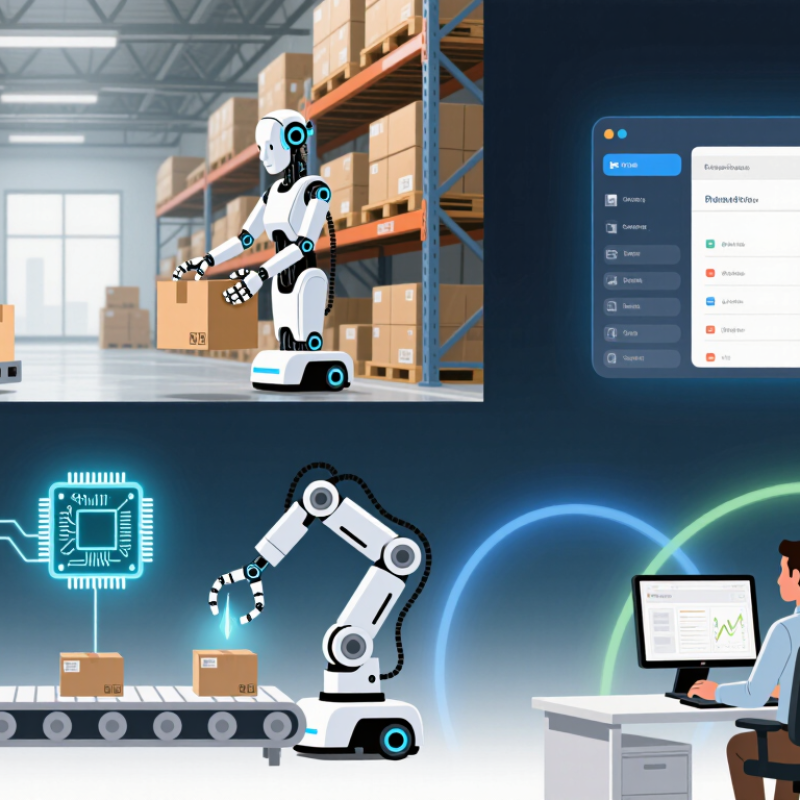
Robotic automation means using programmable machines to perform repeatable physical or digital tasks. It is more than a robot moving quickly. The system combines sensors, control software, mechanical tools, and safety rules. In a packaging cell, a camera checks an item’s position. A gripper lifts it, places it into a carton, and sends a status signal. People define the process, monitor exceptions, and improve the instructions. The robot follows a designed workflow, not human intuition.
A typical operation starts with a clear task boundary. Inputs are detected, decisions are processed, and an action is executed. Sensors may measure distance, weight, temperature, or movement. Software compares those signals with set conditions. If a part is missing, the machine should pause or request assistance. This pause matters. Reliable automation includes controlled stops, access protection, testing, maintenance, and data logs. During deployment, engineers test normal cycles and awkward cases, such as a tilted box or a reflective surface. Small errors become visible there.
The meaning of robotic automation is practical assistance, not complete independence. It can reduce tiring repetition and make timing easier to measure. It cannot understand every unusual situation without suitable training and supervision. A poorly designed process may simply repeat mistakes faster. That is an uncomfortable lesson. The design is rarely perfect on the first attempt. Teams should review real operating data and adjust the workflow when conditions change.
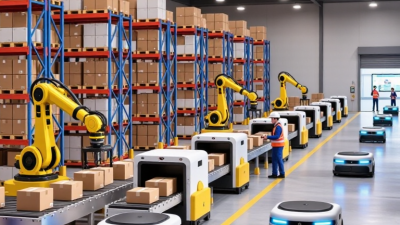
Robotic automation combines sensors, programmable controllers, software, and mechanical actuators to perform repeatable physical tasks. Sensors collect data, the controller processes instructions, and the robot executes movements while feedback helps maintain accuracy and safety.
The chart shows estimated annual global installations of industrial robots, measured in thousands of units. Rising adoption reflects the broader use of robotic automation in manufacturing, logistics, and other repetitive-work environments.
Source: International Federation of Robotics, World Robotics reports. Values are rounded estimates.
A robotic automation system starts with perception. Cameras, proximity sensors, force sensors, and barcode readers collect information from the workspace. The controller interprets these signals and selects an action. It functions like the system’s decision center. Motion hardware then moves joints, conveyors, or tools with controlled speed and accuracy. The end effector performs the physical task, such as gripping a box, welding a seam, or placing a component. Each part must communicate reliably. A small timing error can stop an entire production cell.
Software connects these components through programs, data models, and human-machine interfaces. It sets movement paths, checks process conditions, and records performance. Safety systems add light curtains, emergency stops, restricted zones, and controlled access. These features protect workers while maintaining production flow.
The International Federation of Robotics reported 541,302 industrial robots were installed worldwide in 2023. That figure shows scale, but not readiness. Integration quality still determines practical value.
Connectivity adds another layer. Industrial networks can send sensor readings to maintenance dashboards and planning systems. This helps teams identify vibration, temperature, or cycle-time changes before failure.
The World Economic Forum reported that 85% of surveyed employers planned to adopt technologies supporting automation by 2025. Yet a neat architecture diagram can mislead. Real facilities contain dust, inconsistent parts, and imperfect data. Engineers must test unusual conditions, not only ideal cycles. Human judgment remains necessary.
What Is Robotic Automation and How Does It Work?
Robotic automation combines software instructions, sensors, and machines to complete repeatable tasks. The process begins with task discovery. Teams observe each action, record decisions, and identify exceptions. A warehouse worker scanning a box offers a clear example. The system reads the code, checks inventory, and sends the item to the correct station.
The next step is process mapping. Engineers define inputs, rules, timing, and human approvals. They then configure the robot and connect it with existing software or equipment. Small tests come before full deployment. During testing, operators use normal and unusual cases. This matters because clean demonstrations rarely match real workplaces. The International Federation of Robotics reported 541,302 industrial robots installed worldwide in 2023. That figure shows strong adoption, but installation alone does not guarantee useful automation.
After launch, the robot records task results, errors, delays, and manual interventions. Supervisors review these signals and adjust rules when conditions change. Human workers should handle unclear documents, safety risks, and unusual customer needs. The World Economic Forum’s Future of Jobs Report 2023 found that 85% of surveyed organizations expected technology adoption to transform their operations. Still, automation projects can fail when teams ignore training or poor data. The first workflow is rarely perfect. Careful review keeps the system dependable.
A step-by-step overview of how software robots and physical robots automate structured business and production tasks.
| Step | Automation Phase | What Happens | Primary Technology | Human Role | Typical Output | Key Control |
|---|---|---|---|---|---|---|
| 1 | Identify the Process | A repetitive, rule-based workflow is selected for automation. The process should have clear inputs, predictable decisions, and measurable results. | Process mapping and task analysis | Defines business rules, exceptions, and success criteria. | Approved process scope and baseline metrics | Documented requirements and compliance constraints |
| 2 | Capture Inputs | The automation receives information from applications, databases, documents, sensors, forms, or communication channels. | Application interfaces, file readers, sensors, and document recognition | Handles unusual formats or missing information when required. | Structured data ready for processing | Input validation, access permissions, and data-quality checks |
| 3 | Interpret the Data | The system reads, extracts, classifies, or transforms information so it can be evaluated against predefined rules. | Optical character recognition, data parsing, classification, and validation logic | Reviews low-confidence results or ambiguous records. | Normalized and classified records | Confidence thresholds and exception queues |
| 4 | Apply Rules and Make Decisions | The automation compares the data with decision rules, thresholds, approval limits, or operating conditions. | Workflow logic, decision tables, sensors, and control software | Approves cases that require judgment or policy interpretation. | Approved action, rejected item, or exception status | Separation of duties, approval limits, and rule versioning |
| 5 | Execute the Action | The robot performs the required task, such as entering data, updating a record, sending a notification, moving an object, or controlling equipment. | Software robot, robotic arm, automated guided vehicle, or programmable controller | Intervenes when safety, quality, or business exceptions occur. | Completed transaction or physical operation | Authentication, transaction limits, interlocks, and safe operating zones |
| 6 | Handle Exceptions | If the input is incomplete, a rule fails, or equipment cannot complete the task, the workflow pauses, retries, reroutes, or requests human review. | Retry logic, alerts, queues, and human-in-the-loop workflows | Investigates, corrects, or authorizes exceptional cases. | Resolved case, escalation, or documented failure | Error handling, escalation time limits, and audit records |
| 7 | Record the Result | The system records completed actions, timestamps, user or robot identity, input values, decisions, and errors for traceability. | Logs, databases, event records, and monitoring dashboards | Reviews audit trails and confirms business outcomes. | Complete transaction history and performance data | Data retention, access control, and tamper-resistant logging |
| 8 | Monitor and Improve | Performance is measured against indicators such as completion rate, processing time, error rate, downtime, and exception volume. | Monitoring dashboards, alerts, analytics, and scheduled maintenance | Optimizes rules, retrains models where applicable, and updates the workflow. | Improvement actions and updated automation versions | Change management, testing, rollback plans, and continuous review |
Robotic automation combines machines, sensors, software, and programmed rules to perform repeatable work. A controller receives data, makes a defined decision, and directs an action. In a warehouse, a mobile robot may scan a shelf, calculate a route, and deliver a tote to a packing station. The process looks simple, but poor data can still create poor results.
Fixed industrial robots are common in welding, painting, assembly, and packaging. They offer speed and consistent movement in controlled environments. Collaborative robots work beside people and support tasks such as screwdriving, inspection, and material handling. Mobile robots move through warehouses or hospitals, carrying goods and supplies. Software robots handle digital work, including invoice checks, form entry, report updates, and data matching. These tools do not touch products, but they automate repetitive computer actions.
The International Federation of Robotics reported 541,302 industrial robots were installed worldwide in 2023. Its World Robotics 2024 report also recorded more than 4.2 million industrial robots operating globally. McKinsey’s global automation survey found that 66% of organizations were testing automation in at least one business function. Adoption is growing. Results are uneven. A robot may reduce lifting injuries and processing time, yet it can also expose weak workflows. Human review remains important when exceptions involve safety, quality, or unclear information.
What Is Robotic Automation and How Does It Work?
Robotic automation uses programmable machines, sensors, software, and mechanical tools to perform repeatable tasks. A controller receives data, plans movement, and directs motors with measured precision. In a packaging cell, a vision sensor can locate a box, while a robotic arm picks and places it. This process may reduce repetitive strain and produce more consistent results. It can also support continuous production when staffing or working conditions are difficult. The benefits are practical.
However, automation is not a universal solution. Initial equipment, integration, training, and maintenance can require substantial investment. A robot may handle thousands of identical parts, yet struggle with a bent component or poor lighting. That assumption can fail. Changes in product design may also require new grippers, software adjustments, or fresh testing. Human roles often change rather than disappear, demanding stronger technical judgment and communication.
Safety must guide every stage, from design to daily operation. A proper risk assessment should identify crushing points, unexpected movement, sharp edges, and access hazards. Physical guarding, interlocked doors, emergency stops, and controlled restart procedures add essential protection. Workers need clear training, practical drills, and documented maintenance instructions. Lockout procedures are critical during cleaning or repair. Even systems designed for close human interaction are not automatically safe. Sensors can misread objects, and software can behave differently after a configuration change. Regular inspection, incident review, and cautious testing remain necessary. Small shortcuts matter.
Taking Custom Design to New Levels

Brin Glass Company | Minneapolis, MN
St. Germain’s Glass | Duluth, MN
Heartland Glass | Waite Park, MN

Fabricator
Inside Sales and Client Support Manager
Glass Handler – 1st Shift