Top Smart Robot Suppliers for Global Buyers
Global buyers evaluating smart robot suppliers face a market defined by scale, capability, and practical integration. The International Federation of Robotics’ World Robotics 2024 report records 4,281,585 industrial robots operating worldwide at the end of 2023. It also reports 541,302 new installations that year. These figures describe industrial robots broadly, not smart robots alone, but they show how quickly automated equipment is becoming part of factory operations. The distinction matters. A supplier’s “smart” label does not guarantee dependable perception, safe collaboration, or smooth connection to existing production systems.
There is real momentum. And real complexity. AI researcher Andrew Ng’s widely cited observation, “AI is the new electricity,” captures why intelligent software is reshaping robotics. Yet a buyer still needs to inspect what happens on the factory floor: whether a robot can locate a part under uneven lighting, recover from a missed pick, and work with the site’s existing controls. The analogy is useful, but incomplete. Factories are not software demos. For global buyers, supplier comparisons should therefore consider proven deployments, integration support, service coverage, training, and clearly stated performance limits—not just specifications or polished videos. No supplier fits every site. The following overview examines leading providers through that practical lens, while recognizing that published figures and product claims deserve independent verification.

Understanding the Global Smart Robot Supplier Landscape
Understanding the Global Smart Robot Supplier Landscape
The global smart robot market is not a single, uniform supply chain. Buyers may work with complete-system manufacturers, specialist component suppliers, or regional integrators that adapt equipment to local production needs. Each model offers different trade-offs in customization, delivery, and support.
A supplier’s capabilities become clearer when you examine a real workflow. Ask how a robot handles a metal part with a reflective surface, or how it recovers after a sensor loses tracking. Request cycle-time data under stated conditions, not just a polished demonstration.
Small details matter. Review integration requirements, spare-part availability, software update practices, and operator training. Also confirm that technical documents and safety assessments match the intended application and destination.
Price alone rarely shows the full cost. Installation delays, limited local service, or difficult-to-source components can affect a project long after purchase. Compare suppliers using the same task, payload, working range, and support expectations.
A useful evaluation may still be imperfect; early test results cannot predict every factory condition. That is worth admitting. Keep a record of open questions, test the proposed system with representative materials, and clarify who handles troubleshooting before signing a purchase agreement.
Key Robot Types and Technologies Offered by Suppliers
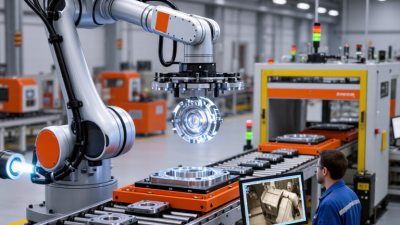
Global buyers should compare suppliers by the work their robots can perform, not by product labels alone. Autonomous mobile robots move bins through warehouse aisles, while articulated arms handle welding, palletizing, or machine tending. Collaborative robots suit shared workstations, provided their speed and safety settings match the task. SCARA and delta robots are common choices for quick assembly and pick-and-place operations. Inspection robots may combine cameras, lighting, and sensors to detect surface defects.
Tips: Ask for payload, reach, repeatability, and cycle-time data for your actual process. Request a demonstration using representative parts. Check how the robot behaves around narrow aisles, reflective surfaces, or changing light.
Suppliers may offer 2D or 3D vision, force sensing, route mapping, and software for connecting robots with production systems. These features matter only when they solve a defined problem. A camera can miss defects if glare changes; mapping can struggle when pallets block familiar routes. Specifications can look neat on paper. Real floors are less tidy. Ask about installation, operator training, spare parts, and remote support before comparing prices. A small pilot can reveal integration gaps, although it may not capture every seasonal workload. Review the results with operators as well as engineers; their feedback often identifies practical issues that a test report misses.
Top Smart Robot Suppliers for Global Buyers: Key Robot Types and Technologies
Global industrial robot stock has grown steadily, reflecting rising adoption across manufacturing. Suppliers commonly offer industrial arms, collaborative robots, and mobile robots, supported by technologies such as machine vision, sensors, and automated grippers.
Global operational stock of industrial robots, millions of units. Figures are rounded. Source: International Federation of Robotics, World Robotics 2024.
Profiles of Notable Smart Robot Suppliers
Global buyers should assess smart robot suppliers by more than payload and speed. The International Federation of Robotics reported 541,302 industrial robot installations worldwide in 2023, in its World Robotics 2024 report. That scale makes dependable integration and ongoing service essential. Ask suppliers for cycle-time results from real production cells, not laboratory demonstrations.
A strong profile includes a clear software stack, documented safety functions, and local commissioning support. For example, a supplier specializing in collaborative arms may suit small assembly stations, where operators work beside robots and frequent changeovers matter. A mobile-robot provider should demonstrate stable navigation around people, pallet traffic, and reflective floors. Watch the floor test. Ask how updates, spare parts, and operator training are handled after installation.
Systems integrators can be valuable when a factory needs vision, grippers, conveyors, and robots coordinated as one cell. Their advantage is practical adaptation; their weakness may be dependence on a few specialists. Request references from similar facilities and inspect measured uptime, recovery time, and maintenance intervals. Numbers matter. Supplier comparisons remain imperfect because published performance often uses different test conditions. Buyers should record their own acceptance criteria before comparing proposals.
How to Compare Suppliers for Global Procurement
Global procurement starts with the production task, not a supplier’s headline specifications. The International Federation of Robotics reported 541,302 industrial robot installations worldwide in 2023, with 4,281,585 units in operation. That scale makes supplier comparisons difficult. A low purchase price says little about whether a robot can handle your actual payload, reach, cycle time, and shifts.
Ask suppliers to demonstrate your task using representative parts, fixtures, and operating speeds. Record cycle time, repeatability, fault recovery, and changeover steps during the trial. Small differences matter. Request written assumptions behind quoted performance figures; a polished demonstration may not reflect dusty floors, awkward access, or frequent product changes. Some details are easy to overlook.
Compare total ownership costs, including integration, operator training, maintenance, software updates, and spare parts. The IFR’s World Robotics 2024 report also notes that Asia accounted for about 70% of new installations in 2023. This concentration makes local service capacity worth checking carefully, wherever your site is located. Ask for named response times, parts availability, and comparable customer references. Then compare suppliers against one shared scoring sheet, while leaving room for a pilot: forecasts are useful, but production is messier than a spreadsheet.
Factors to Consider in International Sourcing and Deployment
International sourcing starts with the task, not the machine.
Define cycle time, payload, reach, floor condition, and operating hours before comparing supplier quotes. A robot moving cartons across a clean floor faces different demands from one handling parts near dust or heat. Small details matter.
The International Federation of Robotics’ World Robotics 2024 report recorded 541,302 industrial robot installations worldwide in 2023, with the global operational stock exceeding 4.28 million.
These figures show adoption at scale, not suitability for every facility.
Check whether a supplier can support installation, staff training, spare parts, and repairs in the destination market.
Ask for realistic response times and a clear parts list; a low purchase price means little if a line waits weeks for a replacement component. Confirm power requirements, network compatibility, safety documentation, and software support before shipment. Local standards and site conditions may differ, so have qualified personnel review the proposed setup before commissioning.
Paperwork can look complete. The details still need checking.
Plan a limited pilot using the actual product, gripper, and workcell layout.
Record cycle time, stoppages, changeover effort, and operator feedback over several shifts. Compare those results with the supplier’s stated performance, not just its best demonstration.
One weakness in many sourcing plans is underestimating integration work:
conveyors, guarding, and existing controls can add cost and delay. Keep a contingency for these changes, and agree in writing how performance will be measured.





Fabricator
Inside Sales and Client Support Manager
Glass Handler – 1st Shift