How to Use AI and Robotics for Global Procurement 2026?
By 2026, global procurement is becoming more connected, data-driven, and responsive. AI and robotics can monitor supplier performance, compare prices, inspect products, and support warehouse decisions. A procurement team might receive an alert before a shipment misses its port window. A robotic system may scan pallets, verify labels, and record inventory within minutes. Small errors matter. A mislabeled carton can still disrupt an entire production line.
Andrew Ng, a leading artificial intelligence expert and Stanford University adjunct professor, famously said, “AI is the new electricity.” His statement reflects the broad influence of intelligent systems across business operations. In procurement, that influence extends from demand forecasting to contract analysis and autonomous material handling. However, automation does not remove accountability. Managers must review data quality, supplier claims, cybersecurity controls, and human-rights risks. Trust requires evidence.
This guide explores how companies can apply AI and robotics across global procurement in 2026. It considers supplier discovery, spend analysis, risk monitoring, warehouse automation, and responsible implementation. Real-world details matter, including barcode accuracy, delivery records, sensor maintenance, and exception handling. A pilot may fail. A forecast can be wrong. Those outcomes deserve examination, not concealment. Procurement leaders should begin with measurable problems, such as late deliveries or excessive manual checking. They should then test one process, document results, and improve the system with human feedback. The strongest strategy is not total automation. It is a controlled partnership between skilled professionals, reliable data, AI, and robotics.
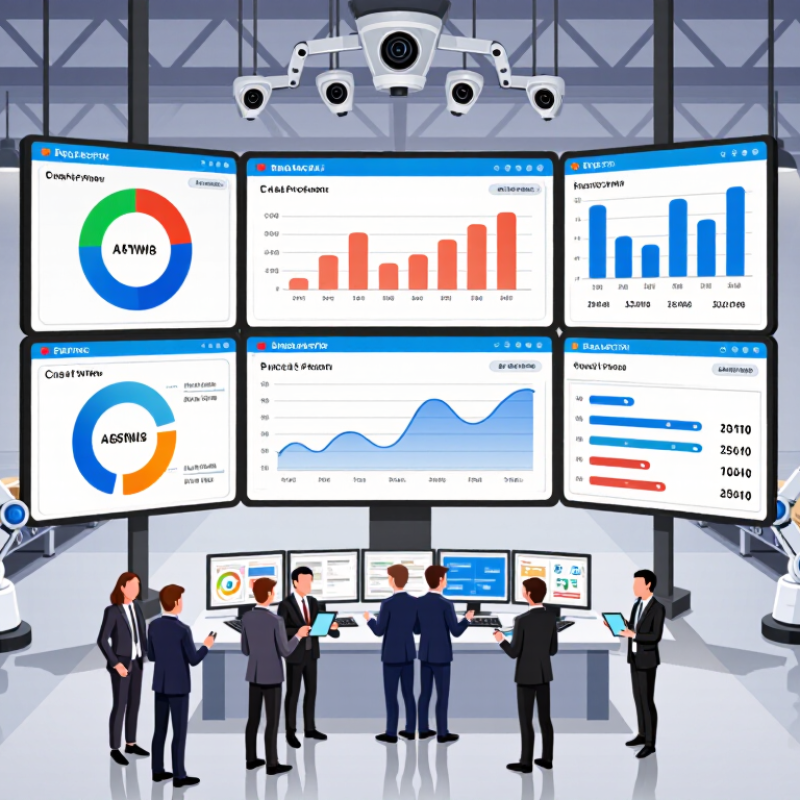
Defining AI and Robotics in Global Procurement
AI in global procurement means using algorithms to interpret supplier, price, demand, and risk data. It does not simply “think” like a buyer. Machine learning detects patterns, while generative AI drafts specifications, compares contracts, and explains unusual price changes. The World Economic Forum’s Future of Jobs Report 2023 found that 75% of surveyed companies expected to adopt AI within five years. That signal matters, but adoption alone does not guarantee better purchasing decisions.
Robotics means automated physical or software-based action across procurement operations. Warehouse robots can count inventory, move materials, and support inspection. Software robots can transfer purchase-order data between systems. The International Federation of Robotics reported 541,302 industrial robots installed globally in 2023. Procurement teams should connect these tools with human approval, supplier evidence, and clear audit trails. A model may flag a supplier as risky because of incomplete data. That is not proof. I have seen automation accelerate weak decisions when teams trust a dashboard more than local knowledge.
Tips: Define AI by its decision support role, not by fashionable language. Define robotics by the task it performs. Start with repetitive processes, such as invoice matching or inventory counting. Measure accuracy, processing time, exceptions, and supplier outcomes. Keep a manual review path. It feels slower, but it exposes hidden errors before they spread across countries. Cite the WEF Future of Jobs Report 2023 and the International Federation of Robotics World Robotics 2024 report when presenting business cases.
Mapping Procurement Processes for Automation
Global procurement in 2026 begins with a process map, not a machine. The map should show every request, approval, supplier check, purchase order, delivery, and invoice. At the intake stage, AI can classify requests by category, value, location, and urgency. It can also identify missing specifications before buyers contact suppliers. Keep exceptions visible. A clean workflow should record who changed each field and why.
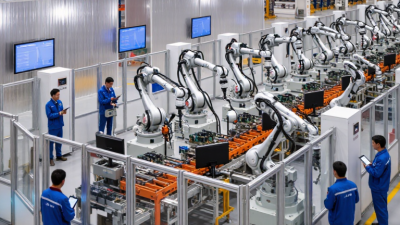
Procurement teams can then match automation to each handoff. AI may compare compliant quotations, flag unusual price changes, and draft supplier questions. Robotic systems can move packed goods, scan labels, and confirm quantities at regional warehouses. These tools work best when ownership remains clear. A category manager should approve sensitive purchases, while finance validates payment conditions. Local teams must review language, tax data, delivery terms, and regional requirements.
The map needs practical testing. In one realistic pilot, a barcode mismatch may stop an entire receiving queue. That failure is useful evidence, not just a technical error. Teams should test incomplete requests, duplicate invoices, delayed shipments, and supplier substitutions. Human review should remain mandatory for high-value or ambiguous decisions. Automation can reduce repetitive work, but it may also repeat a poor rule at great speed. Process owners should revisit the map monthly, compare predicted actions with actual outcomes, and remove steps that add no control. Perfect automation is an attractive idea. It is not a safe assumption.
How to Use AI and Robotics for Global Procurement in 2026
Procurement process mapping by automation readiness
The chart ranks common procurement activities by their suitability for AI and robotic process automation. Structured, repetitive activities such as invoice matching, purchase-order processing, and supplier-data validation are generally easier to automate, while negotiation and strategic sourcing still require substantial human judgment.
Selecting AI and Robotic Technologies
Selecting AI and robotic technologies for global procurement starts with the purchasing problem, not the newest tool. AI can classify supplier documents, detect unusual prices, and forecast demand across currencies and regions. Robotics can support warehouse counting, parcel movement, and repetitive inspection. The International Federation of Robotics reported 541,302 industrial robots were installed worldwide in 2023, with 4.28 million in operation. That scale shows maturity, but it does not prove suitability for every procurement network.
Data quality matters more than impressive demonstrations. Procurement teams should test language coverage, catalog accuracy, ERP integration, cybersecurity controls, and human approval points. A useful pilot might compare invoice exceptions before and after automation. Keep the sample measurable. The system should explain why it flags a supplier or predicts a shortage. The OECD’s 2024 AI report stresses transparency, robustness, and accountability as core requirements for trustworthy systems. That guidance is practical when procurement decisions affect small suppliers and cross-border operations.
Choose flexible technologies that can fail safely. A robotic mobile unit should stop when its sensors detect people or blocked routes. An AI model should request review when supplier data is incomplete. This sounds obvious. It is often missed. The McKinsey Global Survey on AI reported that 72% of respondents said their organizations had adopted AI in at least one business function in 2024. Adoption, however, is not the same as value. Teams should measure cycle time, error rates, inventory exposure, and supplier response quality. My own cautious view is that a smaller, well-governed pilot usually teaches more than a broad rollout with weak data.
Implementing Intelligent Procurement Systems
Intelligent procurement systems can connect demand planning, supplier discovery, contract review, and delivery monitoring in one controlled workflow. In 2026, AI should not replace procurement professionals. It should reduce repetitive work and expose risks earlier. A practical system begins with clean supplier records, consistent product codes, and approved purchasing rules. Without reliable data, automation simply produces faster mistakes.
AI can compare quotations, detect unusual price changes, and recommend suppliers using cost, quality, lead time, and resilience indicators. Robotics can support warehouses by scanning incoming materials, checking quantities, and updating inventory records instantly. Every recommendation should include a clear explanation and a traceable audit record. Human approval remains essential for sensitive purchases, new suppliers, and unexpected contract changes. Keep decisions reviewable.
Global teams also need regional controls for taxes, trade requirements, privacy, and supplier documentation. Access permissions should limit who can view prices, edit contracts, or approve payments. Regular testing can reveal biased supplier rankings, missing data, or weak exception rules. Small pilot projects are safer than immediate deployment across every region. One warehouse may show excellent results, while another exposes integration problems. That is normal. Procurement leaders should document these failures, revise the workflow, and measure improvement through cycle time, savings accuracy, delivery performance, and user adoption. Alexa-like promises are less useful than evidence from a real purchase order.






Fabricator
Inside Sales and Client Support Manager
Glass Handler – 1st Shift