Top Innovations Shaping the Future of Robotics Today?
The future of robotics holds great promise and numerous challenges. Experts like Dr. David Mindell, a leading authority in this field, emphasizes the importance of these innovations. He stated, "Robots are not just tools; they are collaborators in shaping our future."
As robotics technology evolves, we witness incredible advancements. From autonomous vehicles to robotic surgical assistants, the possibilities are endless. However, these innovations raise important questions. What happens when robots exceed our control? How will we ensure ethical use of such technology? These dilemmas demand our attention as we move forward.
The future of robotics may seem bright, but it is not without flaws. As robots take on more roles in society, we must reflect on their impact. Balancing innovation with responsibility is crucial. The integration of robotics into daily life must be approached thoughtfully. Our decisions today will shape the robotics landscape of tomorrow.

Key Robotics Innovations Driving Automation and Efficiency Today
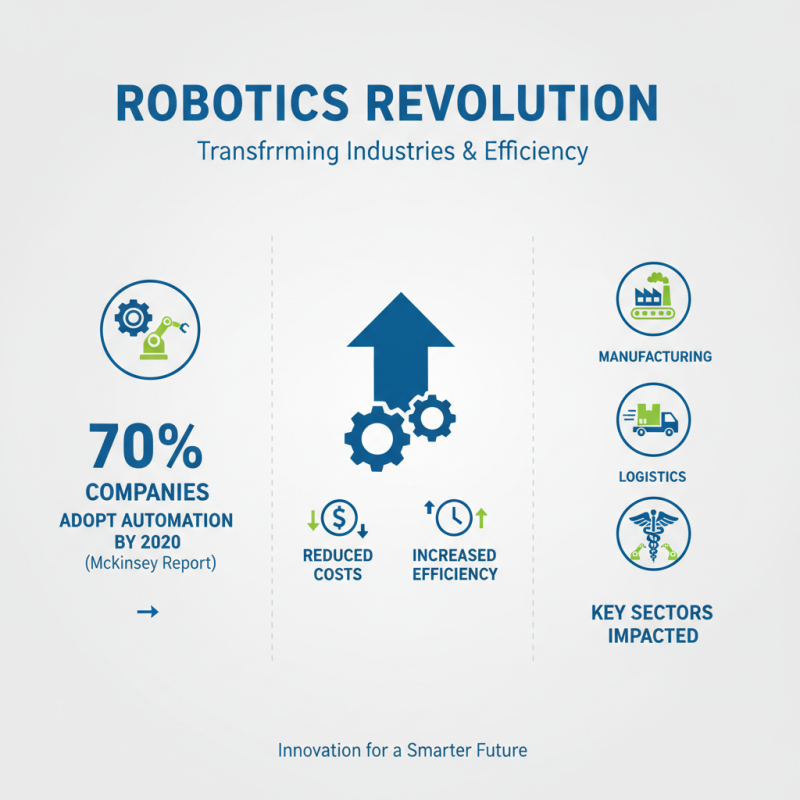
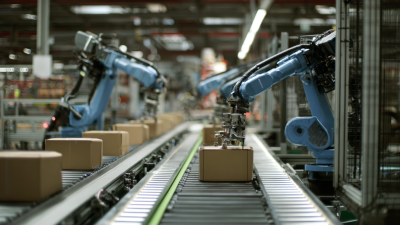
Robotics is transforming industries with innovative technologies. Automation is at the forefront of this revolution. According to a McKinsey report, 70% of companies are expected to adopt automation by 2030. This shift increases efficiency and reduces costs across sectors. Manufacturing, logistics, and healthcare are significantly impacted.
One notable innovation is collaborative robots, or cobots. They work alongside humans, enhancing productivity. A report by Deloitte highlights that the use of cobots can boost productivity by up to 30%. However, challenges remain. Worker training and adaptation are crucial. Many employees face fears about job displacement. Bridging this gap is essential for a smoother transition.
Another emerging trend involves AI integration in robotics. This technology enables robots to learn and adapt to their tasks. A study from PwC states that AI could contribute $15.7 trillion to the global economy by 2030. Yet, ethical concerns arise. Automation can create inequality if not addressed properly. The conversation about responsible innovation is just beginning.
Advancements in AI and Machine Learning Impacting Robotics Development
The integration of AI and machine learning is revolutionizing robotics. According to a recent industry report, the global robotics market will reach $210 billion by 2025, largely driven by advancements in these technologies. Machine learning enables robots to learn from data. This ability empowers them to improve their tasks over time. For instance, robots in manufacturing can now optimize processes without human intervention.
Yet, not all innovations are flawless. AI-driven robots still struggle with complex environments. They can misinterpret data or face challenges with unexpected variables. In a study, 15% of AI projects in robotics have been deemed unsuccessful due to integration issues. The workforce must address these shortcomings to enhance reliability.
Data security also raises concerns. As robots collect and process vast amounts of information, safeguarding this data becomes imperative. A significant portion of businesses fails to implement adequate security measures. Failure to prioritize safety can lead to breaches. It's crucial for developers to reflect on these challenges as they advance robotic capabilities.
Human-Robot Collaboration: Enhancing Productivity in Various Industries
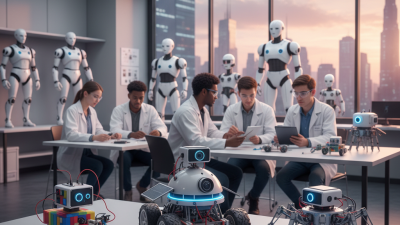
Human-robot collaboration is revolutionizing industries. Recent studies show that productivity can increase by up to 30% in manufacturing sectors using collaborative robots. These robots work alongside humans, taking over repetitive tasks. This allows workers to focus on creative projects.
However, challenges remain. Workers may feel threatened by automation. Job displacement is a real concern. Training programs are essential to help employees adapt. Emphasizing skill development can mitigate fears of redundancy. Companies must prioritize transparency to foster trust.
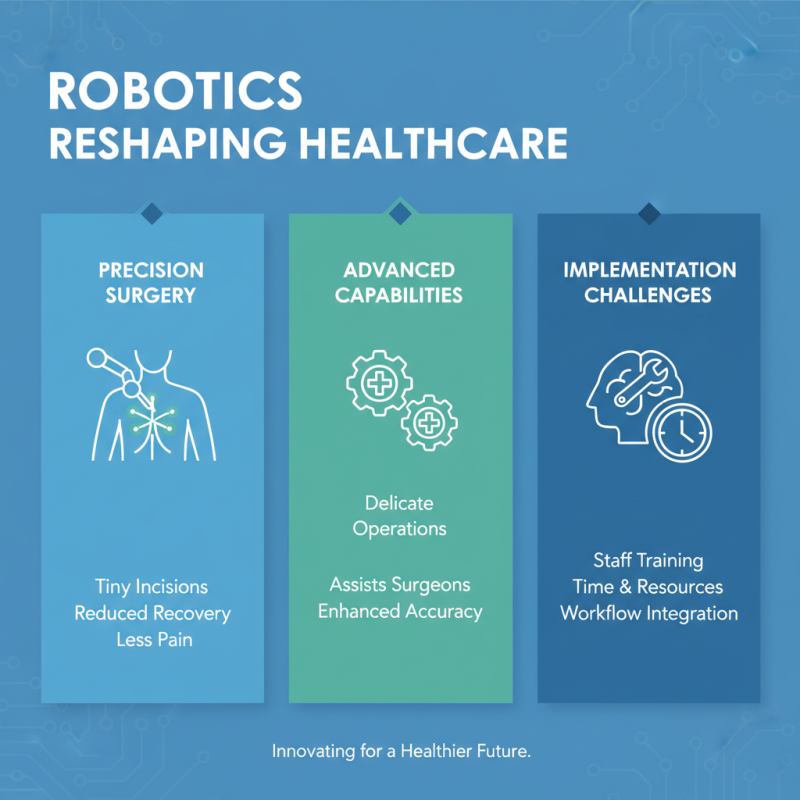
Healthcare is another area benefiting from this collaboration. Robots assist in surgeries, enhancing precision. A report revealed that surgical robots reduced recovery times by 20%. Still, embracing technology isn’t without resistance. Some medical staff may doubt the robots' capabilities. Continuous education is vital in overcoming these hesitations and ensuring effective teamwork.
Sustainable and Eco-Friendly Robotics: Innovations for a Greener Future
As the world faces serious environmental challenges, the push for sustainable robotics is gaining momentum. Eco-friendly materials are becoming prevalent in robot manufacturing, reducing waste and pollution. Innovations in bio-degradable plastics and recycled metals offer a glimpse into a greener future. These materials can significantly lessen the footprint of robotics.
Energy efficiency is another key area of focus. Many new robots are designed to consume less energy while performing tasks. They utilize advanced algorithms to optimize operations. For example, some robots can adjust their energy use based on their workload. However, the technology isn't foolproof. Many robotic systems still rely on traditional energy sources, posing a dilemma for true sustainability.
Additionally, advances in automation can help reduce labor waste. Robots can perform tasks precision and speed, potentially replacing less efficient human labor. Yet, this brings questions about employment and social impact. As robotics evolves, it’s essential to balance innovation with socio-economic considerations. It’s a complex path, but the pursuit of sustainable robotics continues to drive change.


Fabricator
Inside Sales and Client Support Manager
Glass Handler – 1st Shift