What Are the Top 10 Robotics Engineering Courses in China?
China’s robotics sector spans industrial automation, intelligent vehicles, healthcare, and service robots. That breadth makes choosing a degree more complicated than comparing university names. Robotics engineering courses can differ sharply in their balance of theory, laboratory work, and industry exposure. A course title alone reveals little.
A useful comparison looks at what students actually study and build. Check for solid foundations in mechanics, control systems, electronics, programming, and artificial intelligence. Then look for practical access to robotic arms, mobile platforms, sensors, and machine-vision equipment. Real work matters. A polished syllabus is not enough. Students should have opportunities to test designs, diagnose failures, and improve prototypes—not just watch demonstrations.
This guide highlights ten options in China and explains the features prospective students can investigate. These may include research strengths, teaching language, laboratory facilities, internship access, and links to local employers. Details can change, so applicants should confirm current course plans and admission requirements directly with each university. The comparison is not a universal ranking; priorities differ between a student interested in robotics research and one seeking hands-on industrial experience. That distinction is easy to overlook. Treat the list as a starting point, then compare modules, projects, and support for international students against your own goals.
What Robotics Engineering Courses in China Include
Robotics engineering courses in China typically combine mechanical design, electronics, computing, and control. Students may study calculus, linear algebra, mechanics, circuits, and programming before applying them to robot systems. The exact sequence varies by university and degree plan.
Hands-on work matters.
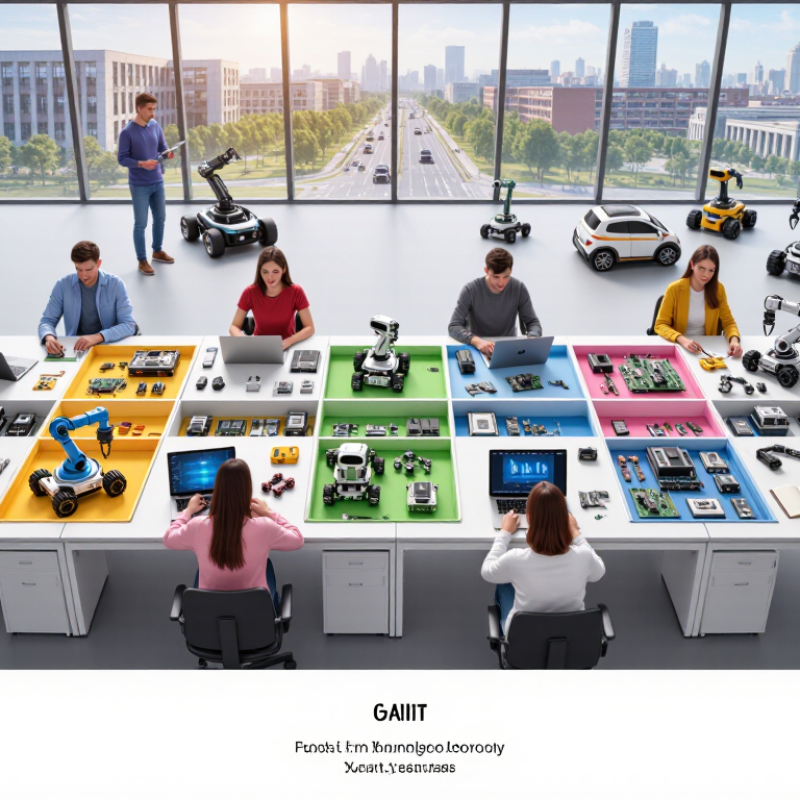
Laboratory classes can involve wiring sensors, tuning a motor controller, or programming a small mobile robot to follow a marked path. Students learn how cameras, encoders, and force sensors help machines interpret their surroundings. Courses may also cover robot kinematics, embedded systems, machine vision, and industrial automation.
A capstone project often brings these subjects together, from drawing a mechanical assembly to testing its motion. Some programs offer internships or projects linked to manufacturing, but access and supervision differ.
A timetable can look impressive, yet limited lab time makes practice harder. That gap deserves attention.
When comparing courses, look for specific lab hours, project requirements, and access to working equipment.
How to Compare Robotics Engineering Courses in China
A useful comparison of China’s top ten robotics engineering courses starts with the curriculum, not the ranking. Check whether students study control systems, embedded programming, machine vision, and mechanical design. Course titles can sound impressive, yet hide limited hands-on work. Look closely. Ask how many hours students spend building and testing robots, and whether projects use real sensors, motors, and control boards. A polished laboratory photo proves little. Course outlines, assessment methods, and sample projects offer better evidence.
Compare access to research mentors, internships, and team projects, but verify what undergraduates can actually join. Some opportunities may be reserved for graduate students. Consider the language of instruction and the city’s living costs, too; both affect the daily learning experience. Ask current students how often equipment is available, and how quickly staff help when a robot fails during testing. Published information may be incomplete or outdated, so confirm details directly with course departments. I would not rely on one metric alone: strong facilities cannot compensate for weak project supervision, and a demanding syllabus may leave too little time to build. Which course gives students enough support to turn theory into a working machine?
How to Compare Robotics Engineering Courses in China
A practical weighting framework for comparing course content and learning opportunities—not a ranking of universities.
The percentages are suggested comparison weights, not measured statistics. Use them to assess how well each program balances engineering foundations, robotics-specific subjects, and practical experience; check each university’s current curriculum for verified course details.
Top 10 Robotics Engineering Courses in China
Top 10 Robotics Engineering Courses in China
The top 10 robotics engineering courses in China are best viewed as core study areas, not a fixed national ranking. Course names and depth vary by university, so check current syllabi before applying.
Robotics fundamentals
introduce robot structures, coordinate frames, and basic programming.
Kinematics and dynamics
explain how joints move and how forces affect motion.
Control systems
teach students to stabilize movement, often through simulations and motor tests.
Sensors and machine vision
cover cameras, distance sensors, and the challenge of turning raw readings into useful information.
Embedded systems
connect software with processors, circuits, and real hardware.
Small details matter.
Artificial intelligence for robotics
introduces planning, learning, and decision-making,
mechatronics
links mechanical design with electronics.
Industrial automation
focuses on robot arms, production cells, and safe task coordination.
Mobile robotics
explores navigation, mapping, and obstacle avoidance in changing environments.
A capstone design course
brings these skills together in a working prototype.
Look for courses that include lab access, clear assessment criteria, and supervised project work. A polished course description can still hide limited hands-on time.
That is worth questioning.
Students should also compare prerequisites, since advanced control or vision classes may assume strong mathematics and programming skills.
Practical balance differs.
A course with fewer advanced topics may teach more if students build, test, and revise a real robot.
How These Courses Combine Theory and Practical Training
A practical comparison of China’s leading robotics engineering courses should look beyond their subject lists. Strong programs connect robot kinematics, control theory, sensing, and mechanical design to repeated laboratory work. Students may calculate a joint’s motion, then test it on a small arm and observe unexpected vibration. That gap matters.
Training often moves from simulation to physical prototypes. Learners write embedded code, wire sensors, and adjust motor controllers while instructors assess both the method and the result. In mobile robotics classes, a robot might follow a taped route, lose its position near a bright window, and need recalibration. Small failures teach useful lessons. They also reveal why theory cannot be skipped.
Across ten course pathways, subjects may include machine vision, artificial intelligence, industrial robotics, autonomous navigation, and capstone design. The best balance gives students time with real equipment, not only polished simulations. Yet access to hardware can vary, and crowded labs may limit individual practice. A syllabus alone cannot show that. Prospective students should check project hours, assessment methods, and whether they build and troubleshoot systems themselves. Some programs still lean heavily on lectures; that deserves honest scrutiny.
Admission Requirements and Career Pathways for Graduates
Admission requirements for robotics engineering courses in China vary by university and degree level. Undergraduate applicants usually need strong mathematics and physics results in the national entrance examination. International applicants may also need recognized school credentials, language proficiency, and sometimes an interview. Check each program’s current rules; requirements can change. A polished application helps, but it is not a substitute for core technical skills.
Coursework commonly combines mechanics, electronics, control theory, programming, and hands-on lab projects. Expect to troubleshoot a sensor that gives inconsistent readings or adjust a robot arm’s movement. These practical tasks matter. The World Robotics 2024 report recorded 276,288 industrial robot installations in China in 2023, about 51% of global installations. That scale supports career options in automation, manufacturing, robotics software, and system integration, though it does not guarantee a job for every graduate.
Internships and project portfolios can help graduates show how they solve real engineering problems. Entry-level roles may involve testing components, maintaining production systems, or writing control code; advanced research positions often require postgraduate study. A degree title alone is not enough. Students should compare course content, lab access, internship opportunities, and graduate outcomes, then ask whether the daily work genuinely suits them.






Fabricator
Inside Sales and Client Support Manager
Glass Handler – 1st Shift