Smart Hotel Trends 2026 Best Technologies and Innovations?
The hospitality industry is evolving rapidly, driven by technology and innovation. Smart Hotels are at the forefront of this change. By 2026, these establishments will significantly enhance guest experiences. Imagine checking in with a simple facial recognition scan. This is just one example of how smart hotels are integrating advanced technologies.
Sustainability will also play a key role. Many smart hotels are adopting eco-friendly practices. Guests can expect energy-efficient systems that reduce carbon footprints. This trend not only appeals to environmentally conscious travelers but also promotes a better future.
However, there are challenges. Privacy concerns may arise with the use of smart devices. Some guests might feel uneasy about constant monitoring. Hotel operators must address these issues to build trust. Balancing technology integration with guest comfort will be essential. The journey of smart hotels is just beginning, highlighting both potential benefits and reflections on how to improve.
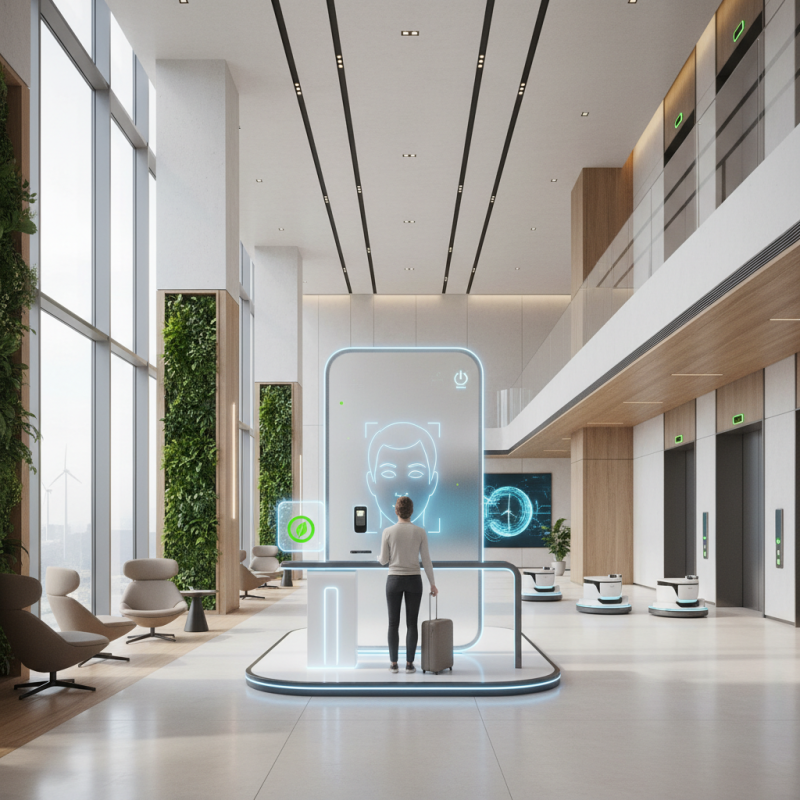
Emerging Technologies Shaping Smart Hotels in 2026
Emerging technologies are transforming the hotel industry at an unprecedented pace. By 2026, smart hotels will rely heavily on advanced artificial intelligence and machine learning systems. These technologies enhance guest experiences through personalized services. For instance, AI-driven chatbots can handle bookings and provide tailored recommendations, saving time for both guests and staff.
According to recent industry reports, roughly 70% of travelers now prioritize technology features during their stay. This trend highlights the importance of seamless connectivity. Hotels will increasingly integrate IoT devices, enabling guests to control room settings effortlessly via mobile apps. Smart thermostats and lighting systems are just a start. However, implementing these technologies can be challenging. Some properties find it hard to keep pace with rapid advancements.
Cybersecurity remains a crucial concern within this evolution. With an increase in connected devices, the risk of data breaches rises. Hotel operators must invest in robust security measures to protect guest information. Despite advancements, the industry grapples with balancing innovation and privacy. Ensuring guest trust while adopting cutting-edge technology is a critical challenge for smart hotels in 2026.
Artificial Intelligence and Machine Learning Applications in Hospitality
Artificial Intelligence (AI) and Machine Learning (ML) are dramatically reshaping the hospitality industry. Hotels are leveraging these technologies to enhance guest experiences. AI chatbots handle bookings and provide information 24/7, ensuring guests receive immediate assistance. Meanwhile, ML algorithms analyze customer data to predict preferences. This personalization fosters loyalty and satisfaction.
However, reliance on AI poses challenges. Relying solely on technology can undermine the human touch vital to hospitality. Staff may feel undervalued as AI takes over tasks. Additionally, data security is a pressing concern. Protecting customer information is non-negotiable in this digital era. Hotels must navigate these complexities to maintain a balance between technology and personal service.
Automation streamlines operations, yet it is not infallible. Missed nuances in guest interactions can lead to dissatisfaction. Staff training on AI tools is essential to boost efficiency. Ultimately, integrating AI and ML requires thoughtful implementation. The goal should be enhancing experiences while preserving the essence of hospitality.
Smart Hotel Trends 2026: AI and Machine Learning Applications in Hospitality
Sustainable Innovations for Eco-Friendly Smart Hotel Operations
Sustainable innovations are transforming the smart hotel landscape. In 2026, eco-friendly practices will become standard, driven by traveler demands. According to a recent industry report, hotels adopting green technologies could reduce operational costs by up to 25%. Energy-efficient systems and smart building technologies are key players in this shift.
Many hotels are now integrating renewable energy sources like solar panels. Automation systems can regulate temperature and lighting based on occupancy, cutting down unnecessary energy use. A common challenge is the initial investment in these technologies, which may deter some hotel operators. However, the long-term savings are considerable.
Tips: Consider implementing water-saving fixtures. These can lower water consumption without sacrificing guest comfort. Another option is to partner with local farms for fresh produce. It minimizes transportation and supports the local economy. Embracing these ideas may require adjustments, but the environmental and financial benefits are significant.
Enhanced Guest Experience Through IoT and Smart Devices
The integration of IoT technology in smart hotels is transforming the guest experience. Reports suggest that by 2026, around 75% of hotels will utilize IoT devices to enhance comfort and convenience. Smart devices, like voice-activated controls and smart thermostats, create a more personalized environment. Guests can adjust room settings with voice commands, minimizing the need for manual adjustments.
Moreover, data from the Hospitality Technology Report indicates that hotels with IoT solutions see a 20% increase in guest satisfaction scores. Smart devices provide guests with tailored recommendations and seamless interactions. However, reliance on technology can lead to concerns over data privacy and security. The balance between innovation and guest trust remains crucial as hoteliers adopt these advancements.
Yet, not all aspects are perfected. Some guests may feel overwhelmed by technology in what is meant to be a restful getaway. The push for smart solutions must also consider the desire for human interaction. The challenge lies in ensuring that technology enhances, rather than detracts from, the overall hospitality experience.
Smart Hotel Trends 2026 Best Technologies and Innovations
| Technology/Innovation | Description | Impact on Guest Experience | Adoption Rate (2026) |
| IoT Connected Devices | Smart thermostats, lighting and appliances that can be controlled via smartphones or voice. | Enhanced comfort and convenience for guests, reducing energy consumption. | 75% |
| Mobile Check-in/Check-out | Allowing guests to check in/out using mobile apps, minimizing wait times. | Streamlined arrival and departure processes leading to improved guest satisfaction. | 80% |
| Personalized Recommendations | Using AI to suggest tailored services and experiences based on guest preferences. | Increased engagement and satisfaction through personalized services. | 70% |
| Voice-Activated Room Controls | Enabling guests to control room settings using voice commands via AI assistants. | Greater accessibility and ease of use for guests. | 65% |
| Robotic Assistants | Robots delivering items to guest rooms or assisting with inquiries. | Novelty and efficiency in service delivery, improving guest experiences. | 50% |
Data Analytics in Smart Hotels: Personalization and Security Advances
In 2026, data analytics will play a crucial role in enhancing the smart hotel experience. Hotels will leverage advanced analytics to understand guest preferences better. This data-driven approach enables personalized services, from tailored room settings to customized recommendations for dining and activities. The ability to analyze data in real-time will ensure that guests receive an experience curated just for them.
However, reliance on data comes with challenges. Hotels must ensure guest data privacy and security. With increased data utilization, the risk of breaches rises. Implementing robust cybersecurity measures is imperative. Staff training and consistent security audits can help mitigate these risks. Guests expect their information to remain secure.
Tip: Regularly update your privacy policies. Transparency builds trust.
Another aspect to consider is the balance between automation and human touch. While data can enhance efficiency, guests also appreciate personal interactions. Striking the right balance between technology and hospitality is essential. Hotels should encourage staff to engage authentically with guests, even as they use technology to streamline services.
Tip: Foster a culture of customer-centered service. Empower your staff to connect genuinely with guests.


Fabricator
Inside Sales and Client Support Manager
Glass Handler – 1st Shift