How to Find the Best Robotics Jobs for Your Career Growth
The field of robotics is rapidly evolving, offering a wealth of opportunities for those eager to embark on or advance their careers. As technology continues to integrate into various industries, the demand for skilled professionals in robotics jobs is at an all-time high. From research and development to application in sectors like healthcare, manufacturing, and autonomous systems, the scope of robotics is expansive and diverse, making it an exciting arena for career growth.
In this dynamic landscape, finding the right robotics job can significantly impact your professional trajectory. Whether you are a student entering the job market or a seasoned expert looking to pivot, understanding how to identify and secure the best robotics positions is crucial. This guide will explore effective strategies for navigating the job market, building relevant skills, and leveraging networking opportunities to unlock the full potential of your career in robotics. By focusing on tailored approaches, aspiring candidates can elevate their prospects and contribute meaningfully to this groundbreaking industry.

Identifying Your Career Goals in Robotics
Identifying your career goals in robotics is essential for navigating the vast opportunities available in this innovative field. To start, reflect on your interests and strengths within robotics. Are you drawn to programming, design, mechanical engineering, or systems integration? Understanding your passion will help you pinpoint roles that align with your skill set and aspirations.
Tips: Set specific, measurable, achievable, relevant, and time-bound (SMART) goals. For example, instead of saying, "I want to work in robotics," specify, "I aim to secure a robotics engineer position in a reputable company within the next year by enhancing my programming skills and completing relevant projects." This approach gives you clarity and direction.
As you identify your career goals, consider the sectors within robotics that excite you most. Whether it's healthcare, manufacturing, or autonomous vehicles, each niche offers distinct challenges and innovations. Research emerging trends and technologies in these areas to prepare for the future landscape of robotics.
Tips: Attend robotics workshops, webinars, and conferences to network and learn about potential career paths. Engaging with industry professionals can provide valuable insights and guidance as you refine your objectives. Take advantage of online courses to build your knowledge and credentials, further aligning your development with your identified goals in robotics.
Exploring Different Robotics Specializations and Fields
Robotics is a multifaceted field that encompasses a variety of specializations, each offering unique opportunities for career growth. When exploring different areas, one must consider which specialization aligns best with their interests and skills. For instance, industrial robotics is a prominent field that focuses on automating manufacturing processes. Professionals in this area work with robotic arms and automated systems to enhance efficiency and precision in production lines. This specialization often provides numerous job opportunities in sectors ranging from automotive to electronics, making it a solid choice for those with a passion for engineering and technology.
On the other hand, the field of autonomous systems, including robotics for exploration and transportation, presents exciting challenges and advancements. Specialists in this area often engage in developing algorithms for navigation and decision-making, which are crucial for the functionality of drones and self-driving vehicles. As technology advances, the demand for experts in artificial intelligence and machine learning within robotics continues to rise, creating a pathway for career enthusiasts looking to be at the forefront of innovation. Additionally, healthcare robotics is emerging as a vital specialization, with opportunities for professionals to design and implement robotic systems that assist in surgeries or rehabilitation, significantly impacting patient care and outcomes. Each of these fields not only promises growth but also the chance to contribute to transformative changes in their respective industries.
Robotics Job Demand by Specialization
Researching Job Market Trends in Robotics
The robotics job market is experiencing a significant transformation, driven by advancements in technology and increasing automation across various industries. According to a recent report by the International Federation of Robotics, the global robotics market is projected to reach $226 billion by 2028, indicating a compound annual growth rate (CAGR) of approximately 26%. This growth is primarily fueled by rising demand in sectors such as manufacturing, healthcare, and logistics, which collectively create a wealth of job opportunities for professionals in the robotics field.
To navigate this evolving job market effectively, job seekers should focus on key trends shaping the industry. Recent statistics indicate that the robotics sector is expected to add over 4 million jobs worldwide by 2025. Roles in software development, artificial intelligence, and machine learning are becoming increasingly vital, reflecting the industry's shift towards smart automation solutions. Moreover, skills in programming languages and data analysis are highly sought after, with reports showing that candidates proficient in these areas can command higher salaries and greater job security.
By staying informed about these trends, individuals can position themselves strategically within the robotics job market and enhance their career growth prospects.
Networking and Building Connections in the Robotics Industry
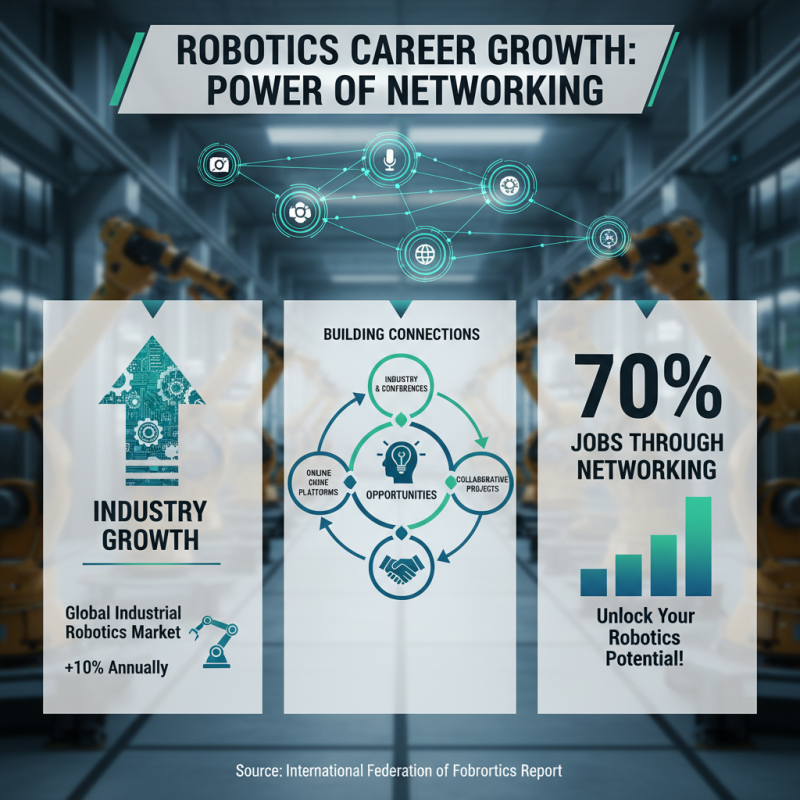
In the rapidly evolving robotics industry, networking and building connections are essential for career advancement. According to a report by the International Federation of Robotics, the global market for industrial robots is projected to grow by over 10% annually, indicating a rising demand for professionals in this field. By actively engaging in industry events, conferences, and online platforms, professionals can cultivate relationships that may lead to job opportunities and collaborative projects. Research shows that nearly 70% of jobs are filled through networking, underscoring the importance of making connections in this dynamic sector.
Furthermore, joining professional organizations or robotics-focused forums can significantly enhance one’s visibility within the industry. A study published by the Robotics Industries Association reveals that 80% of robotics professionals who participated in networking events reported gaining valuable insights and connections that contributed to their career paths. Engaging with peers and experts not only fosters knowledge exchange but also opens doors to mentorship opportunities, which are critical for personal and professional growth in a field characterized by constant technological advancements. As the robotics landscape continues to change, building a robust professional network will be pivotal for those looking to thrive in their careers.
Preparing Your Resume and Skills for Robotics Job Applications
In the rapidly evolving field of robotics, preparing an effective resume is critical for securing a position that fosters career growth.
According to a report by the International Federation of Robotics, the global robotics market is projected to expand at a compound annual growth rate (CAGR) of 26.7% through 2027, highlighting the increasing demand for skilled professionals in this sector.
To stand out, your resume must clearly list technical skills that align with industry demands, such as programming languages like Python and C++, along with expertise in machine learning and artificial intelligence.
Tips: Tailor your resume for each application by emphasizing relevant experiences and certifications. Highlight projects that showcase your problem-solving abilities, creativity, and technical proficiency.
For instance, an internship or relevant coursework can significantly bolster your qualifications.
In addition to a strong resume, enhancing your soft skills is equally important. A recent survey by the Robotics Industries Association indicated that employers value collaboration, communication, and adaptability as much as technical skills.
Engaging in collaborative projects or participating in hackathons can help illustrate your ability to work within a team, which is often crucial in robotics roles.
Tips: Consider joining professional organizations or attending workshops to build your network and develop both hard and soft skills.
Networking within industry circles can lead to job opportunities that are not publicly advertised, giving you an edge in this competitive job market.







Fabricator
Inside Sales and Client Support Manager
Glass Handler – 1st Shift