Top 10 Collaborative Robots Transforming Manufacturing Today?
Collaborative robots, or cobots, are transforming the manufacturing landscape. According to a report by Grand View Research, the global collaborative robot market size was valued at $700 million in 2021. It is expected to grow at a CAGR of 40.6% from 2022 to 2030. This rapid growth reflects the increasing adoption of automation in diverse industries. Companies are leveraging collaborative robots to enhance productivity and reduce operational costs.
These robots work alongside human workers, enhancing efficiency while ensuring safety. A study by the International Federation of Robotics indicates that 60% of manufacturers experienced improved operational efficiency after integrating cobots. However, challenges remain. Not every organization fully understands how to seamlessly integrate these technologies. Training and workplace redesign are often necessary, and not all companies are prepared for the transition.
In some cases, workers fear job displacement due to automation. Despite these concerns, it's crucial to recognize that cobots can coexist with human operators. They are designed to complement human skills. This article explores the top 10 collaborative robots that are leading this revolution, showcasing their potential and the obstacles they face in modern manufacturing environments.
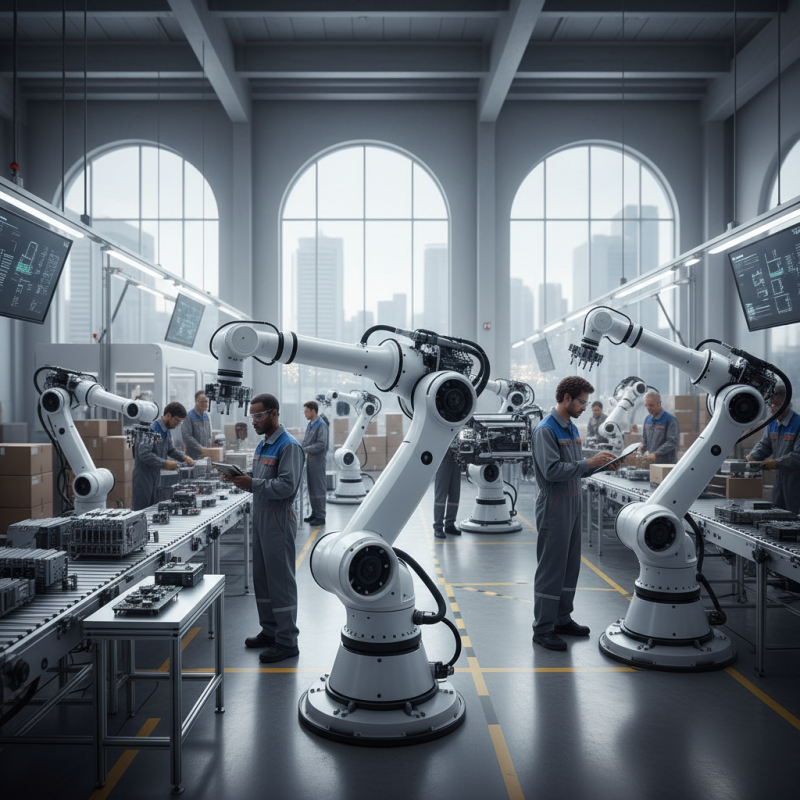
The Rise of Collaborative Robots in Modern Manufacturing
Collaborative robots, or cobots, are redefining the landscape of modern manufacturing. According to a recent report by MarketsandMarkets, the collaborative robot market is projected to reach $12.3 billion by 2025. This rise is driven by a demand for automation that seamlessly integrates with human workers. Cobots enhance productivity while ensuring worker safety, making them indispensable in diverse industries.
Tips for businesses considering cobots: Start with a clear assessment of your tasks. Identify repetitive or dangerous tasks that can benefit from automation. Conduct thorough training for your staff. According to the International Federation of Robotics, proper training can maximize the efficiency of these robots. This ensures that human workers and cobots can collaborate effectively.
While the promise of cobots is attractive, challenges exist. Integrating these robots into existing workflows can be complex. Misunderstandings about their capabilities may lead to inefficiencies. As reported in a 2022 industry survey by Deloitte, around 30% of manufacturers regret not preparing their workforce for these changes. It’s essential to continually evaluate how cobots fit within your operations. Emphasizing flexibility and adaptation will be critical as this technology evolves.
Key Features of Collaborative Robots Enhancing Manufacturing Efficiency
Collaborative robots, or cobots, are reshaping the manufacturing landscape. They enhance efficiency and flexibility on the shop floor. According to a report by the International Federation of Robotics, the global market for cobots is expected to reach $12 billion by 2025. This growth reflects a keen interest in integrating robots into production lines to address labor shortages and rising operational costs.
Key features of collaborative robots include their ability to work alongside humans safely. They are equipped with advanced sensors and AI technologies, enabling them to detect human presence and adjust their movements accordingly. This ensures a safer working environment. Their versatility allows them to perform various tasks, from assembly to quality inspection. Data from McKinsey shows that using cobots can increase productivity by up to 30%.
**Tip:** Before introducing collaborative robots, assess your current workflow. Identify repetitive tasks that could benefit from automation.
Another notable feature is ease of programming. Many cobots can be programmed using intuitive interfaces, making them accessible to non-tech-savvy workers. This can significantly reduce training time and costs. However, it's essential to remember that not all manufacturing processes are suitable for automation. Some tasks still require human finesse and judgment.
**Tip:** Start small. Pilot a cobot in one area before scaling up. Evaluate its performance regularly.
Top 10 Collaborative Robots Revolutionizing Production Lines
In today's manufacturing landscape, collaborative robots, or cobots, are becoming essential. They work alongside human operators, enhancing efficiency and productivity. Cobots are transforming production lines by automating repetitive tasks, freeing workers to focus on complex problems. This blend of human ingenuity and robotic precision fosters innovation, driving factories towards a more agile future.
Yet, integrating cobots is not without challenges. Training staff to work with these machines requires time and resources. Additionally, there can be initial resistance from workers. Proper communication is crucial. The coexistence of humans and robots can lead to misunderstandings if not managed well. Companies must address these issues for successful implementation.
The potential of cobots lies in their adaptability. They can easily be programmed for various duties, from assembly to quality control. As technology evolves, the capabilities of these robots expand. However, constant evaluation is needed. Are the workers comfortable? Are the robots effective? Trust and collaboration can take time to build. Careful observation and adjustments can lead to a more harmonious and productive environment.
Top 10 Collaborative Robots Transforming Manufacturing Today
| Robot Model |
Payload Capacity (kg) |
Reach (mm) |
Safety Features |
Application Areas |
| Model A |
10 |
600 |
Force Limiting, Vision System |
Assembly, Pick and Place |
| Model B |
15 |
800 |
Safety Mat, Collision Detection |
Packaging, Quality Control |
| Model C |
8 |
500 |
Safe Skin Technology |
Machining, Assembly |
| Model D |
12 |
700 |
Torque Sensor |
Loading, Unloading |
| Model E |
20 |
900 |
Emergency Stop, Vision Guide |
Palletizing, Sorting |
| Model F |
5 |
400 |
Soft Edge, Pressure Sensors |
Medical, Electronics |
| Model G |
18 |
750 |
Guarding, Force Feedback |
Assembly, Packaging |
| Model H |
9 |
650 |
Adaptive Robot Control |
Machine Tending, Welding |
| Model I |
16 |
850 |
Integrated Safety Systems |
Food, Beverage |
| Model J |
14 |
700 |
Enhanced Collision Avoidance |
Logistics, Inventory |
Impact of Collaborative Robots on Workforce Dynamics and Job Roles
Collaborative robots, or cobots, are changing how manufacturing operates. They work alongside human workers, enhancing productivity. These robots take on dangerous tasks, allowing humans to focus on more complex work. This shift impacts workforce dynamics significantly. Job roles are evolving, with workers increasingly collaborating with machines.
Workers now need to adapt and learn new skills. Training is essential as the technology evolves. Some may feel threatened by job displacement. However, cobots can create new roles, such as robot maintenance and programming. There is a need for a balance between automation and human input.
Employers must foster a culture of learning. Continuous education helps employees understand cobotics better. Not all transitions are smooth. Some companies face resistance from employees. It’s crucial to address these concerns. Open communication can ease fears and build trust. This dynamic collaboration is vital for future manufacturing success.
Future Trends and Innovations in Collaborative Robotics for Manufacturing
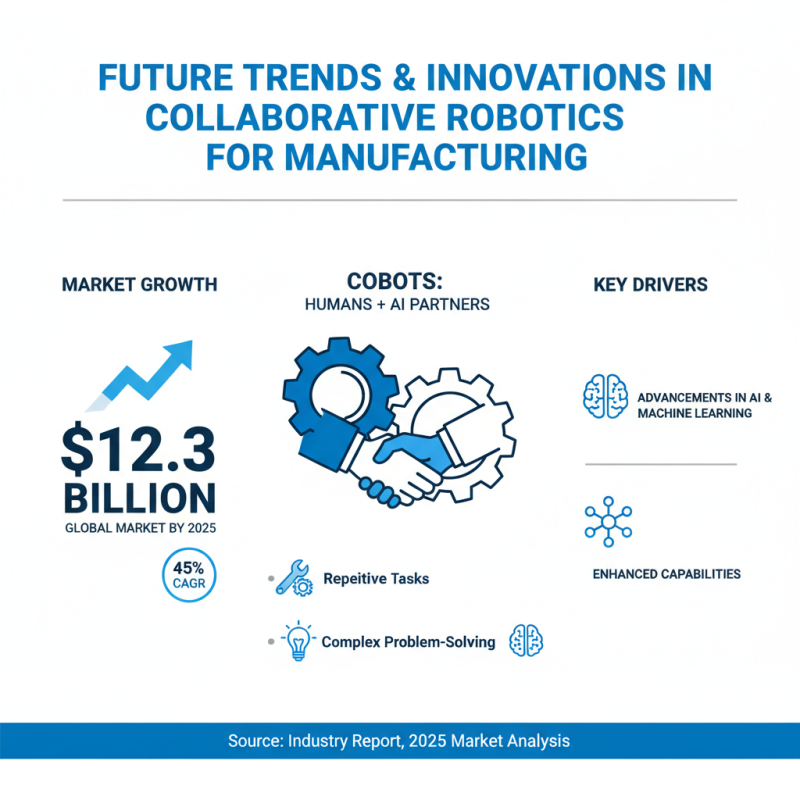
The landscape of manufacturing is evolving rapidly, driven by the integration of collaborative robots (cobots). A report indicates that the global collaborative robotics market is expected to reach $12.3 billion by 2025, growing at a CAGR of 45%. This surge reflects advancements in AI and machine learning, which enhance the capabilities of cobots. They are designed to work alongside human workers, handling repetitive tasks while allowing humans to focus on complex areas.
Innovations in safety features currently dominate the collaborative robotics sector. Sensors and AI enable cobots to detect human presence, ensuring safe operations. In a recent survey, 75% of manufacturers reported increased productivity since implementing these technologies. However, challenges remain, particularly in the areas of workforce adaptation. Training standards for human-robot collaboration are still being established.
Additionally, while cobots excel in efficiency, they require a significant upfront investment. Many smaller manufacturers hesitate due to budget constraints. This might hinder widespread adoption. Nonetheless, incremental investments in collaborative robotics can yield substantial long-term returns. As the industry progresses, future trends will likely focus on better integration with existing systems and solutions that enhance human-robot synergy.







Fabricator
Inside Sales and Client Support Manager
Glass Handler – 1st Shift