How to Choose the Best Car Window Film
Choosing the best Car Window Film is not just a matter of picking the darkest shade. The right film should suit your priorities, whether that means reducing glare, limiting solar heat, protecting interior materials, or maintaining a clear view at night. A dark sample may look impressive in a showroom. On a rainy evening, it can feel very different.
The U.S. Department of Energy’s Energy Saver guidance estimates that windows account for about 25–30% of residential heating and cooling energy use. That figure concerns buildings, not vehicles, so it should not be treated as a car-specific savings promise. Still, it shows why solar control deserves careful attention. For automotive film, compare published figures for visible light transmission, infrared rejection, and total solar energy rejected. Check the test method, too. Marketing labels can hide important differences.
Darrell Smith, executive director of the International Window Film Association, is a relevant industry voice. A practical paraphrase of the selection principle he advocates is: choose film by verified performance and application, not shade alone. Ask an experienced installer to confirm that the film suits your vehicle’s glass and your driving conditions. Look closely at a sample beside the window, then view it from the driver’s seat. Small details matter. No film is perfect; priorities can conflict, and one specification rarely tells the whole story. This guide will help you compare options, understand the numbers, and choose with clearer expectations.
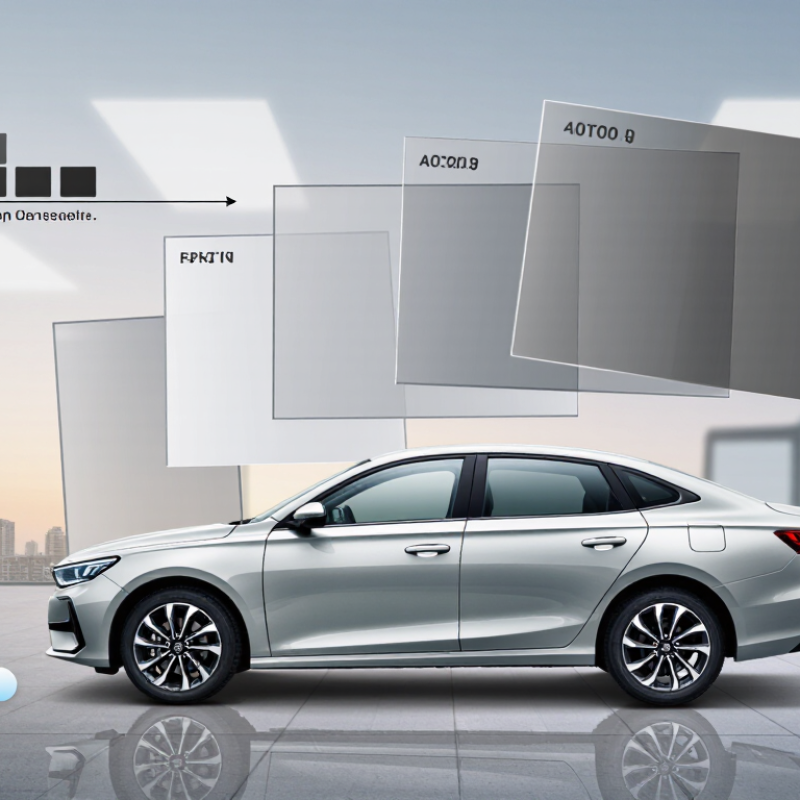
Define Your Needs and Check Local Tinting Laws
Before comparing car window films, decide what you need them to do. Do you want less glare during a bright commute, cooler seats after parking outdoors, or more daytime privacy? These goals are not identical. A darker film may reduce visible light, but darkness alone does not show how much heat or ultraviolet radiation it blocks. Ask for measured visible-light-transmission and heat-rejection figures. Also consider how the glass looks from inside at dusk. Night visibility matters. If you often drive on unlit roads, view a sample in similar conditions. It is easy to focus on appearance; that can be a mistake.
Check current tint rules with your local transport authority before choosing a shade. Limits may differ for the windshield, front side windows, and rear windows. Some areas also regulate reflectivity or require a clear windshield area. Confirm how the percentage is measured, since factory-tinted glass can affect the final reading. Rules can change. Do not rely only on an online discussion or a verbal promise. Ask the installer for the film’s written specifications and how the finished windows will be checked for compliance. Keep the paperwork, too. Even careful research can leave a detail uncertain, so verify the rule that applies to your vehicle and location.
Compare the Main Types of Car Window Film
Dyed film is usually the simplest option to compare. It darkens the glass and can reduce glare, but its heat control is modest. On a sunny afternoon, the cabin may still feel warm, even when the windows look quite dark. The color can also fade over time. A low price helps, though it is not the whole story.
Metalized film reflects some solar energy and tends to be more durable. Its metallic layer may interfere with phone, GPS, or keyless-entry signals, so check compatibility before choosing it.
Carbon film avoids that reflective layer and often gives a matte appearance with better heat control than basic dyed film. Ceramic film uses fine, nonmetallic particles to reduce heat and glare while keeping visibility clearer. It is often the most expensive type. Worth it? That depends on how much time the car spends in direct sun.
Compare product performance figures, not darkness alone; a darker film does not automatically reject more heat. I’d also inspect a sample beside the car’s glass, since the shade can look different indoors. I once underestimated that detail. My mistake.
Assess Heat Rejection, UV Protection, and Visibility
How to Choose the Best Car Window Film
Heat rejection, UV protection, and visibility should be judged together, not by darkness alone. Ask for product-specific total solar energy rejected (TSER) and visible light transmission (VLT) figures. These show heat control and cabin brightness. The International Window Film Association says some films block up to 99% of UV radiation; verify the chosen product’s rating. That matters on long drives, when sunlight warms one arm beside the glass.
Visibility matters. A 2016 JAMA Ophthalmology study of 29 cars found average UVA blockage of 96% through windshields, versus 71% through side windows. Film performance varies, so those figures are context, not a guarantee for every vehicle. A darker cabin can seem cooler, but appearance is not a heat test. Low-light clarity deserves attention too.
Tips: Check VLT before choosing a shade, especially if you drive after dusk. Compare TSER and UV figures, then view an installed sample from inside the car. Reflections can surprise you. There is no perfect balance.
Review Installation Standards, Warranty, and Care
How to Choose the Best Car Window Film
Review Installation Standards, Warranty, and Care
A quality film depends on more than its advertised appearance. Ask who will install it and what preparation the work includes. The glass should be cleaned thoroughly, and the film should be measured and trimmed without obstructing the driver’s view. Check that the installer explains how dust, moisture, and edge lifting are handled. Request written details about the film type and installation process. A tidy waiting room is not proof of careful work.
Tips: Read the warranty before booking. Keep a copy. Check whether coverage includes bubbling, peeling, discoloration, or installation defects, and note any exclusions. Ask how to report a problem and whether labor is covered. Small details matter.
After installation, follow the care instructions instead of guessing. Some films need time to dry, so temporary haze or small water pockets may be normal. Avoid pressing on the film or cleaning it too soon. Use a soft cloth and a cleaner approved for tinted glass; abrasive pads can scratch the surface. If a bubble remains or an edge begins lifting, take a clear photo and contact the installer. Warranty terms vary, and a missed care step may complicate a claim. It is easy to assume every film needs the same treatment, but that assumption can cost you.
Match Film Performance to Your Budget and Driving Habits
A tight budget does not automatically mean choosing the darkest film. Shade and heat control are different things. Compare the film’s visible light transmission and solar-energy rejection figures, not just its appearance. Ask for the specifications in writing; vague claims make options hard to compare. A modest film with clear performance data may be a better value than a premium option you do not need.
Think about your daily drive. If your car sits in direct sun for hours, stronger infrared heat rejection may make the cabin more comfortable after work. If you mostly drive at night, preserving a clear view through the windows may matter more than maximum darkness. Check how the film looks from inside, especially when backing up on a dim street. That detail is easy to overlook.
Set a budget that includes professional installation, since uneven edges or visible bubbles can spoil an otherwise good choice. Compare warranty coverage and ask how the film handles routine cleaning. Not every upgrade is worth paying for. I would still avoid choosing on price alone; saving a little upfront can feel less clever when glare and cabin heat remain unchanged.


Fabricator
Inside Sales and Client Support Manager
Glass Handler – 1st Shift