How to Choose the Right Mobile Robots for Your Business?
Mobile robots are transforming the landscape of various industries. According to a recent report by Allied Market Research, the global mobile robot market is projected to reach $30 billion by 2030. This significant growth is driven by advancements in automation and artificial intelligence. Businesses are increasingly adopting mobile robots for tasks such as inventory management, delivery services, and manufacturing processes.
Choosing the right mobile robots for your business is not a straightforward task. With numerous options available, it’s essential to consider specific needs and operational challenges. As noted by Research and Markets, the demand for mobile robots is expected to grow by 24.5% from 2022 to 2030. This growth reflects both opportunities and complexities. Different robots offer varying functionalities, and not all may align with your business objectives.
Understanding the unique requirements of your operation is crucial. What works for one industry may not suit another. Many companies make the mistake of pursuing trendy technology without evaluating its fit for their specific needs. Thus, a careful assessment of mobile robots is necessary to ensure strategic alignment with business goals.
Understanding Your Business Needs for Mobile Robots
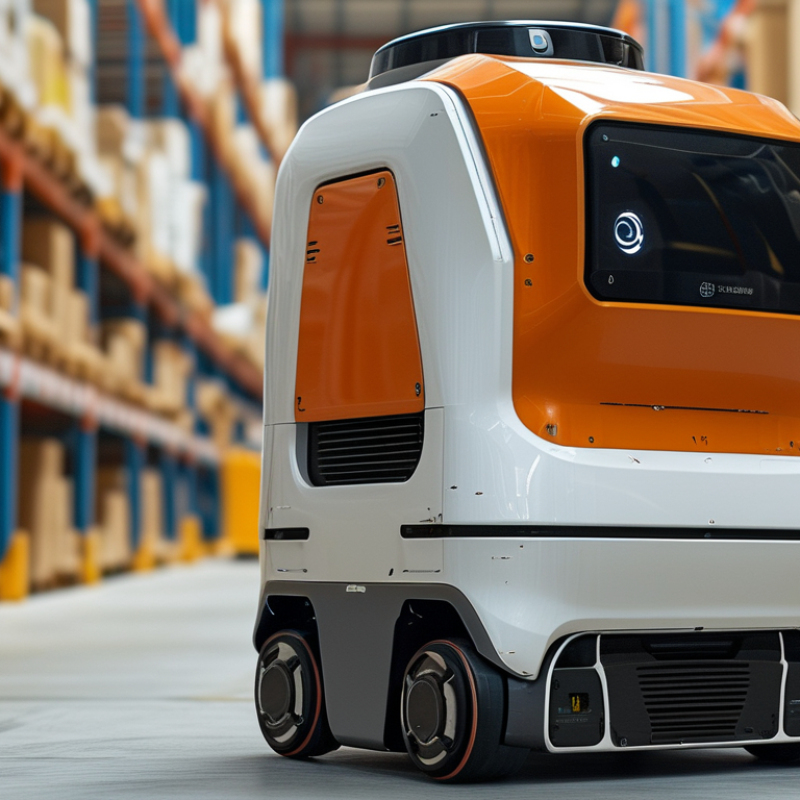
Choosing the right mobile robots for your business begins with understanding your specific needs. Start by evaluating the tasks you want to automate. Are you looking to streamline inventory management, improve delivery efficiency, or enhance customer service? Each purpose requires different capabilities. For instance, robots designed for heavy lifting will differ significantly from those intended for navigation in narrow spaces.
Consider the environment where the robots will operate. Will they navigate busy warehouses or office spaces? Safety, terrain adaptability, and size are critical factors. Engaging with your team can provide insights into operational challenges. Their feedback can unveil unrecognized pain points in workflows that mobile robots could address. Reflect on previous attempts at automation as well; learning from past experiences can guide the decision-making process.
Finally, ensure you account for scalability. Your business may evolve, and so should the technology. Robots should be able to adapt to future needs without requiring complete replacement. Reflecting on these aspects can help create a clearer picture of the ideal mobile robotic solution for your business's unique requirements. Balancing current needs with future growth is not always straightforward but is essential for long-term success.
Evaluating Different Types of Mobile Robots Available
When evaluating mobile robots for business, consider their specific functionalities. Different types serve varied purposes. For instance, autonomous guided vehicles (AGVs) excel in transportation tasks. They reduce labor costs and increase efficiency but struggle in dynamic environments.
Mobile manipulation robots integrate mobility with versatile arms for tasks like sorting and packaging. They require more programming and maintenance. Understanding your workflow is essential for a successful implementation.
Also, some robots possess advanced sensors and AI capabilities. These features enhance navigation and obstacle avoidance but might raise costs. Think about your budget, and the return on investment. Balancing technological sophistication with practical needs can be challenging. It's crucial to assess both current and future requirements when making a decision.
Analyzing Cost vs. Benefits of Mobile Robot Solutions
When considering mobile robots for business, analyzing costs versus benefits is crucial. A comprehensive report from MarketsandMarkets highlights that the global mobile robotics market is expected to reach $44 billion by 2026. This growth indicates a rising interest in automating repetitive tasks. However, businesses must weigh the initial investment against potential gains in efficiency.
Mobile robots can reduce operational costs significantly. According to a study by McKinsey, automation can boost productivity by up to 30%. This figure suggests that companies investing in mobile robots can expect a favorable return. Yet, not all businesses see immediate benefits. Implementation challenges, integration with existing systems, and ongoing maintenance costs are considerations that can impact the overall value.
Companies should also account for the time saved. A report from Frost & Sullivan indicates that businesses can save up to 10 hours per week per worker by automating manual tasks. However, the transition can lead to disruptions. Employees may need retraining, which is an added expense. Ultimately, weighing these factors can guide businesses toward the right decision. Balancing short-term costs with long-term benefits is a delicate task.
Integration and Compatibility with Existing Systems
When selecting mobile robots for your business, integration and compatibility with existing systems are crucial. A 2022 industry report indicated that approximately 70% of companies faced challenges during technology integration. This statistic emphasizes the importance of choosing robots that can seamlessly operate within your current infrastructure.
Consider the types of data and equipment your business already uses. Many robots are designed for specific tasks but may require customization to connect with software platforms. A study by a leading automation consultancy found that 60% of successful integrations involved significant adjustments to both systems. This means understanding your existing technology landscape is vital before making any purchase decisions.
Focusing only on advanced features may lead to overlooking essential compatibility needs. A robot that excels in performance but struggles with integration can disrupt workflows. Evaluate potential robots based on their interoperability with your systems. This reflection can prevent costly pitfalls and ensure the smooth operation of your automated processes.
Assessing Vendor Support and Maintenance Services
When selecting mobile robots for your business, vendor support and maintenance services are critical factors. Reliable support ensures that any issues are addressed swiftly. A responsive vendor can significantly minimize downtime. Look for companies that offer 24/7 customer service. This availability can be a game-changer when your operations are at stake.
Maintenance services should not be overlooked. Regular maintenance keeps robots functioning optimally. Assess the vendor’s maintenance plan. Does it include software updates and hardware checks? A comprehensive plan can help prevent costly repairs down the line. Transparency about service costs is essential. Hidden fees can catch you off guard, impacting your budget.
It's also worth considering the vendor’s experience in your specific industry. Not all vendors have the same level of expertise. Seeking partnerships with those who understand your unique challenges is vital. Engage in conversations with peers to gather insights. Hearing about their experiences can guide you in making informed decisions. A thorough assessment of vendor support can ultimately influence the efficiency of your robotic operations.







Fabricator
Inside Sales and Client Support Manager
Glass Handler – 1st Shift