Why Choose Force Sensing Resistor for Your Next Project?
In the evolving world of sensor technology, the Force Sensing Resistor (FSR) stands out as a pivotal innovation. Expert Dr. Emily Chen, a leading researcher in smart materials, notes, "The adaptability of Force Sensing Resistors is reshaping how we approach electronic design." This statement highlights the growing importance of FSRs in various applications.
Force Sensing Resistors are essential for projects requiring precise pressure measurements. Their ability to detect varying levels of pressure makes them ideal for consumer electronics, healthcare devices, and robotics. Designers appreciate how FSRs offer both versatility and simplicity. Additionally, they can be easily integrated into different systems, making them a reliable choice.
However, the application of Force Sensing Resistors is not without challenges. Factors like sensitivity range and temperature stability must be considered. Users often find these aspects can lead to fluctuating performance. It is crucial to understand both the strengths and limitations of FSR technology to fully leverage its benefits.
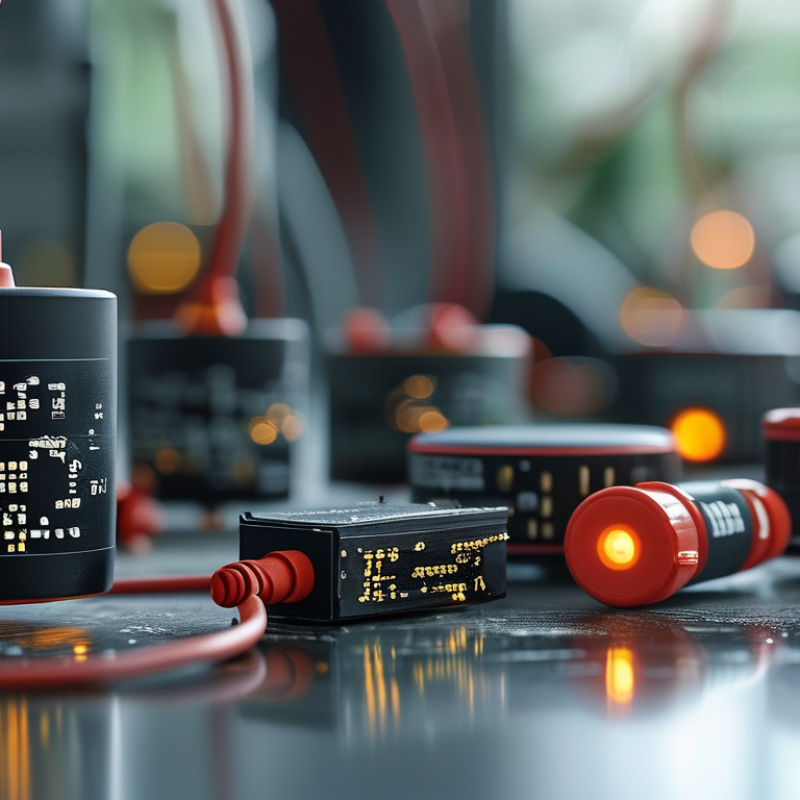
Understanding Force Sensing Resistors and Their Functionality
Force sensing resistors (FSRs) are increasingly popular in various projects, especially in robotics and wearable technology. They function by changing resistance based on the applied force. When pressure is applied, the resistance decreases, allowing current to flow more easily. This simple yet effective technology opens up a range of applications, from touch-sensitive controls to weight measurement systems.
When utilizing FSRs, consider their sensitivity. Some projects may require precise measurements, while others might tolerate a wider range. Prototyping with different FSRs can help you identify the best option for your needs. Ensure that you test the sensors under the conditions they will operate in. Sometimes an FSR may respond differently under various temperatures or humidity levels.
Remember to incorporate some design adjustments based on your findings. For instance, a too-thin FSR might not provide the durability required in a high-use environment. If your application involves frequent contact, consider reinforcing the FSR for longevity. Experience tells us that real-world conditions can differ vastly from lab testing. Adapting your design in response to these insights can greatly enhance the performance of your project.
Advantages of Using Force Sensing Resistors in Projects
Force Sensing Resistors (FSRs) are increasingly popular in various projects due to their unique advantages. One significant benefit is their simplicity in integration. FSRs can easily connect to microcontrollers or other electronics. This feature makes them ideal for beginners and professionals alike. Their lightweight design allows for versatile applications, from wearable technology to robotics, ensuring flexibility in your project.
Another notable advantage of FSRs is their responsiveness. These sensors can detect varying levels of force, which is crucial for applications requiring precise measurements. For example, in a pressure-sensitive glove, FSRs can relay data on grip strength. This information is vital for adaptive devices. However, FSRs do have limitations in dynamic conditions. They may not perform well in rapid or fluctuating force scenarios. Acknowledging these drawbacks is essential for effective implementation.
Reliability is a key factor when selecting sensors for a project. FSRs have a long lifespan and can function in diverse environments. They work well across different temperature ranges, making them suitable for outdoor use. While they are generally robust, some users report inconsistency over extended periods. Regular calibration can help mitigate this issue. Understanding these nuances ensures you make informed decisions in your next project.
Benefits of Using Force Sensing Resistors in Projects
This bar chart illustrates the key advantages of using Force Sensing Resistors (FSRs) in various projects. Each category is rated based on performance and suitability, showcasing their cost efficiency, sensitivity, durability, ease of integration, compact size, and fast response time.
Applications of Force Sensing Resistors Across Various Industries
Force sensing resistors (FSRs) are versatile devices found in various industries. They measure pressure and force, making them valuable in applications like medical devices, robotics, and consumer electronics. The healthcare sector utilizes FSRs in patient monitoring systems. Reports indicate a growing demand for such technology, projecting a market value of $3 billion by 2025.
In the robotics field, FSRs aid in developing tactile sensors. These sensors help robots understand their environment better. A study suggests that robots equipped with force feedback can enhance human-robot interaction by 40%. This capability is crucial as industries move toward automation. Additionally, FSRs improve user experiences in smart home devices, allowing for intuitive controls.
Tip: When selecting an FSR, consider its sensitivity and range. This choice can significantly impact your project's performance. Always conduct thorough testing to ensure reliability.
FSRs also find applications in automotive systems. They can monitor driver interaction with the vehicle, enhancing safety features. Yet, it's essential to be aware of the limitations of FSRs. For instance, environmental factors may affect their accuracy. Regular calibration can mitigate this issue. Understanding these nuances can lead to successful project outcomes.
Applications of Force Sensing Resistors Across Various Industries
| Industry | Application | Benefits |
| Medical | Patient monitoring devices | Real-time feedback on pressure sensing for comfort |
| Automotive | Touch-sensitive controls in dashboards | Enhanced user interface and safety |
| Consumer Electronics | Smartphone touchscreens | Precision touch detection |
| Robotics | Grip force sensing in robotic arms | Prevent damaging objects while manipulating |
| Aerospace | Load sensing for structural health monitoring | Ensures safety and integrity of aircraft |
| Industrial Automation | Pressure sensing in assembly lines | Optimizes workflow and enhances efficiency |
| Sports | Pressure mats for training analysis | Improves athlete performance through feedback |
Design Considerations When Integrating Force Sensing Resistors
When integrating force sensing resistors (FSRs) into your project, there are several design considerations to bear in mind. FSRs operate based on changes in resistance due to applied force. Understanding their sensitivity and response time is crucial. For example, a design requiring immediate response to pressure changes must choose FSRs with faster response times. This aspect can greatly influence user experience in applications like robotics or wearable technology.
Calibration also plays a vital role in the performance of FSRs. Each sensor may have slightly different characteristics, requiring individual calibration to ensure accuracy. This step can be tedious but is essential for reliable data collection. Additionally, environmental factors can impact their performance. Temperature and humidity can introduce variability, so including protective measures in your design can enhance reliability.
Furthermore, consider the power requirements of your circuitry. FSRs typically have low power consumption but need proper voltage to function accurately. Ignoring this can lead to inaccurate readings. It’s also crucial to think about the mechanical design. Ensure the FSR is placed in an area where it can effectively sense force without obstruction. Reflecting on these considerations can lead to a more successful implementation of force sensing resistors in your projects.
Comparative Analysis: Force Sensing Resistors vs. Other Sensors
When considering sensors for various applications, Force Sensing Resistors (FSRs) often stand out. Unlike traditional pressure sensors, FSRs are lightweight and cost-effective. They utilize a simple variable resistor mechanism that responds to applied force. This makes them ideal for projects where weight and budget are critical.
In contrast, other sensors, like piezoresistive and capacitive sensors, offer different advantages. Piezoresistive sensors provide high accuracy but can be more complex to integrate. Capacitive sensors excel in sensitivity but may require more space. This can lead to challenges in tight designs. FSRs, however, meld simplicity with functionality. They offer a reliable solution when quick prototyping is necessary.
There are some drawbacks to FSRs. Their non-linear output can complicate data interpretation. Calibration is essential for accurate readings. Users must also consider environmental factors that may affect performance. While FSRs are versatile, they are not a one-size-fits-all solution. Each project should carefully weigh these factors.


Fabricator
Inside Sales and Client Support Manager
Glass Handler – 1st Shift