China Top 10 Micro Hydraulic Actuator Manufacturers?
China’s Micro Hydraulic Actuator sector is gaining attention as machinery becomes smaller, lighter, and more precise. According to MarketsandMarkets’ 2024 Hydraulic Equipment Market report, the broader hydraulic equipment market could grow from approximately USD 44.9 billion in 2023 to USD 56.1 billion by 2028. This forecast covers complete hydraulic systems, not only miniature actuators. The distinction matters.
A Micro Hydraulic Actuator can convert compact hydraulic pressure into controlled linear or rotary movement. Typical applications include medical equipment, agricultural machinery, robotics, aerospace mechanisms, and automated production lines. At this scale, performance depends on more than rated force. Engineers must examine leakage control, response time, operating pressure, seal durability, corrosion resistance, and dimensional consistency. ISO 4413 provides widely recognized safety and design guidance for hydraulic systems. However, small actuator manufacturers may publish uneven technical data. That creates a real comparison challenge.
This overview identifies ten Chinese manufacturers associated with micro hydraulic actuators, compact cylinders, custom hydraulic modules, or precision motion solutions. The evaluation considers manufacturing experience, product range, testing capability, customization support, certifications, export history, and application evidence. Industry reports from Grand View Research and Fortune Business Insights also indicate continuing demand for hydraulic automation across industrial and mobile equipment markets. Yet market rankings are never perfectly neutral. Supplier visibility, private-label production, and limited public testing records can influence results. Buyers should verify pressure curves, fatigue results, material specifications, and after-sales support before approving a supplier. A polished catalog is not enough. Practical evidence matters more.
Definition and Role of Micro Hydraulic Actuators
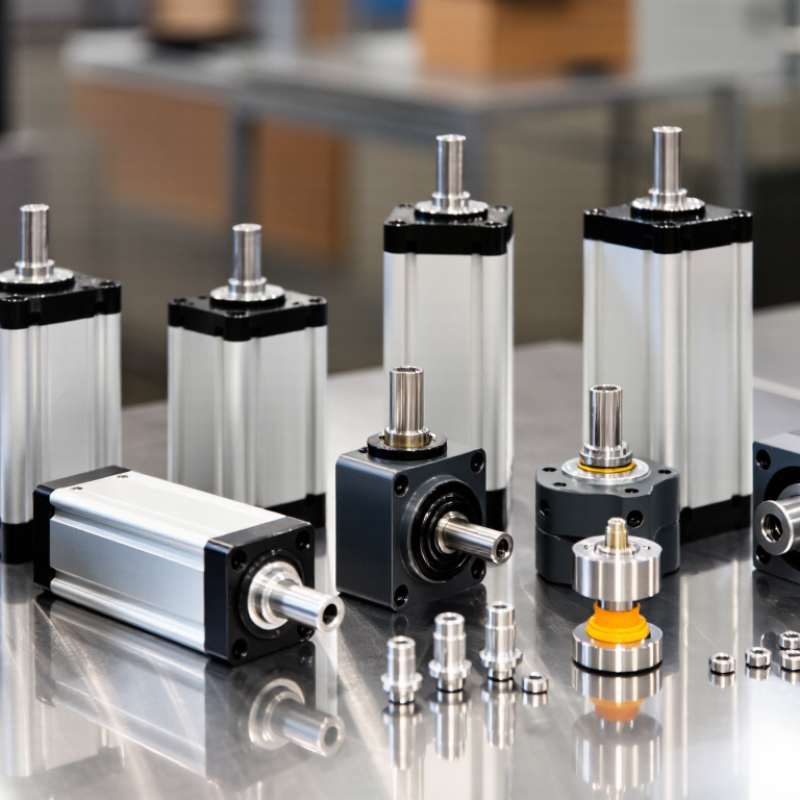
Micro hydraulic actuators are compact mechanisms that convert fluid pressure into controlled mechanical movement. They usually contain a small cylinder, piston, seals, and fluid ports. Some designs also include valves or position sensors. Unlike electric actuators, they generate strong force from a small package. This makes them useful where space is limited, such as robotic joints, medical positioning equipment, aircraft controls, and precision machinery. Their role is not simply to move a component. They regulate force, speed, holding ability, and motion stability under changing loads.
Practical evaluation requires more than checking maximum pressure. Engineers should examine leakage control, response time, fatigue life, seal compatibility, noise, and maintenance access. A reliable micro actuator should operate smoothly during repeated short strokes, even when temperature and load fluctuate. A two-millimeter misalignment can create uneven wear. That detail matters. In prototype reviews, pressure ratings often receive too much attention, while contamination control receives too little. That assumption can fail. Manufacturers should provide test data, dimensional tolerances, material information, and traceable quality procedures. Independent endurance testing is still valuable because published specifications may not represent every installation. Even a well-designed actuator can perform poorly when hoses are oversized, fluid is unsuitable, or mounting forces distort the cylinder.
Key Selection Criteria for Chinese Manufacturers
China Top 10 Micro Hydraulic Actuator Manufacturers?
Key Selection Criteria for Chinese Manufacturers
Selecting among China’s top 10 micro hydraulic actuator manufacturers requires more than comparing prices. Start with application evidence: required force, stroke length, operating pressure, speed, mounting space, and working temperature. A supplier should explain how its actuator handles these conditions. Vague answers deserve caution.
Ask for dimensional drawings, material details, tolerance data, and documented test results. Check whether each unit receives pressure, leakage, endurance, and cleanliness testing. Traceable serial numbers can reveal production discipline. Factory audits also matter. Look at machining areas, seal storage, inspection tools, and final assembly procedures. A polished catalog is not proof.
Request samples made with the same process as mass production. Measure stroke accuracy and leakage after repeated cycles, not just during a short demonstration. Confirm engineering response time, replacement-part access, packaging quality, and export documentation. Clear communication is a practical reliability test. If technical replies change between departments, future problem-solving may become slow.
Price still matters. It should not dominate the decision. A cheaper actuator may require tighter maintenance or earlier replacement. However, supplier claims can be imperfect, and even a careful audit cannot predict every field failure. Record assumptions, test results, and unresolved questions before approval. That small discipline prevents attractive specifications from becoming expensive surprises.
Top 10 Micro Hydraulic Actuator Manufacturers in China
Top 10 Micro Hydraulic Actuator Manufacturers in China
China’s micro hydraulic actuator sector serves robotics, medical equipment, agricultural tools, and compact automation. Grand View Research valued the global hydraulic equipment market at approximately USD 44.2 billion in 2023. Its forecast suggests steady growth through 2030. MarketsandMarkets reports similar expansion, although market boundaries differ between studies. This variation deserves attention.
The top ten Chinese manufacturers should be assessed through measurable engineering evidence, not catalog claims. Useful checks include pressure stability, leakage rates, response time, stroke accuracy, and endurance testing. A reliable supplier should provide dimensional drawings, material certificates, test records, and traceable quality procedures. ISO 9001 systems help, but they do not replace product testing. Ask for real samples.
For micro actuators, tolerances matter. A small seal defect can cause visible drift in a lightweight robotic arm. Buyers should also review ISO 6020/2 compatibility, fluid recommendations, operating temperature, and service availability. China’s dense machining and component supply chain can shorten development cycles. However, low price alone can hide inconsistent surface finishing or limited fatigue data. That is a risk.
A practical ranking may combine export experience, engineering depth, customization capacity, and independent test results. No ranking is absolute. Project conditions change the answer. A laboratory actuator and a dusty agricultural actuator need different evidence. A careful buyer should compare at least three samples before approving volume production.
Product Capabilities and Industry Applications
China Top 10 Micro Hydraulic Actuator Manufacturers: Product Capabilities and Industry Applications
China’s leading micro hydraulic actuator manufacturers serve applications where space and force are both limited. Their product ranges often include miniature cylinders, rotary actuators, valve blocks, and integrated pump units. Typical designs support short strokes, controlled motion, and high force in compact housings. Some suppliers also provide custom seals, threaded ports, position sensors, and corrosion-resistant materials. Small footprint matters.
Product evaluation should begin with measurable data. Check rated pressure, stroke accuracy, leakage limits, response time, cycle life, and operating temperature. A reliable manufacturer should provide test records and clear tolerances. Prototype testing remains essential. A catalog value may not match performance inside a vibrating machine. This is where experience matters. An actuator that works smoothly in a clean laboratory may behave differently near dust, oil mist, or repeated thermal changes.
These products support robotic grippers, automated fixtures, medical equipment, agricultural machinery, and compact construction tools. In robotics, a micro cylinder can control gripping force within a narrow space. In medical devices, low noise and clean fluid management are critical. Agricultural systems may require stronger seals and better contamination resistance. Aerospace-related equipment demands strict weight control and documented quality procedures. Not every compact actuator is efficient. Some lose speed under load. Others need frequent maintenance. Buyers should compare real application data, service support, and customization limits before selecting a supplier.


Fabricator
Inside Sales and Client Support Manager
Glass Handler – 1st Shift