Top 10 Breakthroughs in Robot Technology Shaping the Future of Automation
In the rapidly evolving landscape of automation, advancements in robot technology are redefining the boundaries of efficiency and productivity across various industries. According to a recent report by McKinsey, automation could raise global productivity growth by 0.8 to 1.4 percent annually, with robot technology playing a crucial role in this transformation. As we approach 2025, the integration of intelligent robotics is expected to create significant shifts in employment patterns and operational frameworks, making it imperative for organizations to adapt.
The implications of these breakthroughs in robot technology extend beyond mere productivity enhancements; they also promise to revolutionize sectors ranging from manufacturing to logistics, healthcare, and agriculture. A study by Gartner predicts that by 2025, over 75 million jobs may be displaced globally due to automation, yet simultaneously, an estimated 133 million new roles could emerge, emphasizing the dual nature of this technological evolution. This dynamic is a clear indicator that the future trajectory of automation will heavily depend on the continued advancements and adoption of robot technology, making it a focal point for businesses seeking competitive advantage in a highly automated world.
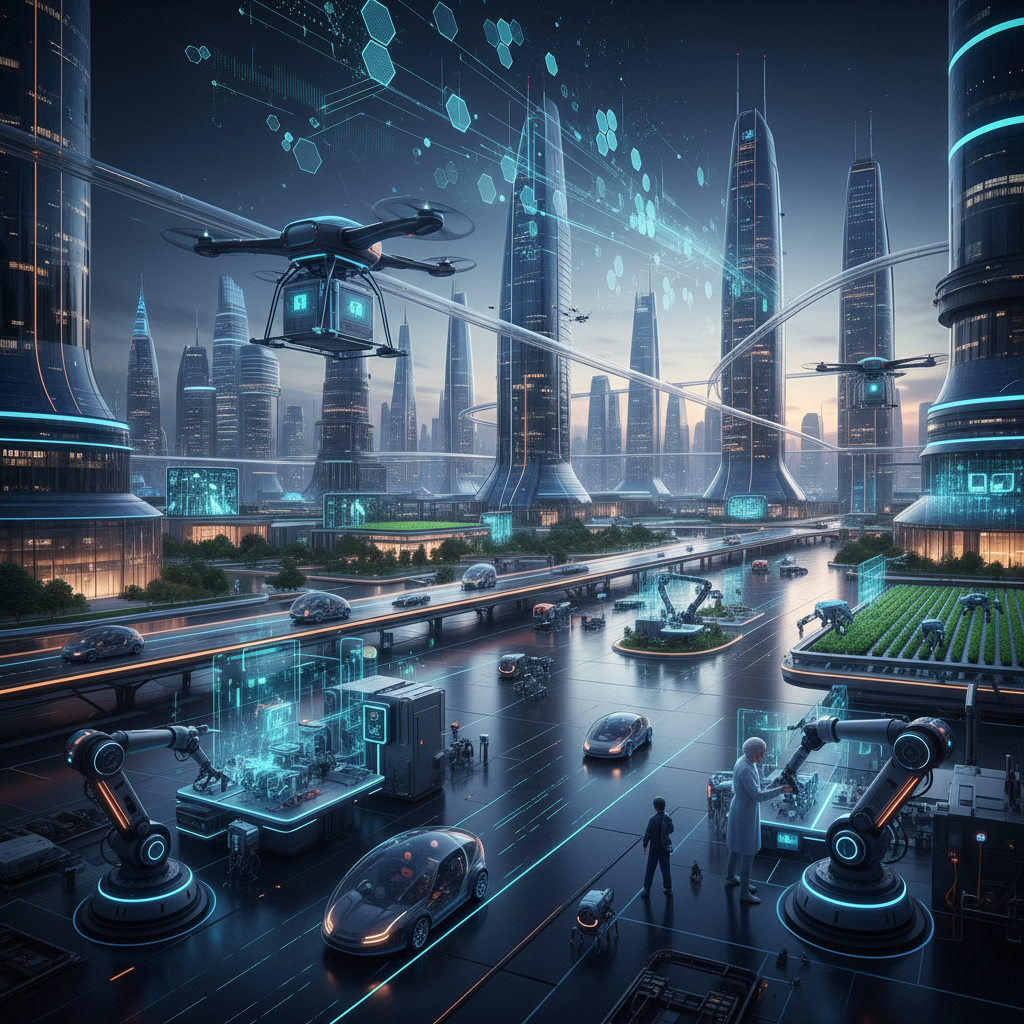
Revolutionizing Industries: Key Robot Innovations Transforming Automation
Advancements in robot technology are dramatically transforming the landscape of automation across various industries. According to a recent report by McKinsey, the implementation of robotic process automation (RPA) could potentially increase global productivity by up to 1.4% annually. This surge in efficiencies is largely due to key innovations including collaborative robots (cobots), which work alongside human operators. These cobots are not only enhancing productivity but also fostering safer work environments by taking on dangerous tasks and minimizing workplace injuries.
Moreover, advancements in artificial intelligence and machine learning are enabling robots to perform complex tasks that were previously unimaginable. A 2022 report by the International Federation of Robotics (IFR) revealed that robot sales had increased by 20% year over year, indicating a strong market demand propelled by innovations like autonomous mobile robots (AMRs) in logistics. These robots optimize supply chain operations by streamlining processes such as inventory management and order fulfillment, leading to significant cost reductions for businesses. As industries continue to embrace these transformative technologies, the future of automation looks promising, with robots playing a crucial role in shaping operational efficiencies and driving economic growth.
Top 10 Breakthroughs in Robot Technology Shaping the Future of Automation
Advanced AI Integration: Enhancing Robot Decision-Making and Efficiency
The integration of advanced AI into robotics is revolutionizing the landscape of automation, significantly enhancing both decision-making capabilities and operational efficiency. By employing machine learning algorithms, robots can analyze vast amounts of data in real time, enabling them to make informed decisions that were previously unattainable. For instance, in manufacturing environments, these AI-enhanced robots can quickly adapt to changing conditions, optimize production processes on the fly, and even predict equipment failures before they occur, thus reducing downtime and maintenance costs.
Moreover, the synergy between AI and robotics facilitates improved human-robot collaboration. Intelligent robots equipped with sophisticated AI can understand and interpret human commands more accurately, allowing for seamless interaction in diverse settings, from factories to homes. This integration fosters a more intuitive working relationship, where robots can assist humans by anticipating their needs and adjusting their actions accordingly. As this technology continues to evolve, we can expect robots to not only perform tasks independently but also to become valuable partners in various sectors, driving forward the future of automation.
Top 10 Breakthroughs in Robot Technology Shaping the Future of Automation
| Breakthrough |
Description |
Impact on Automation |
Year of Introduction |
| AI Decision-Making |
Integration of advanced AI algorithms for real-time decision making. |
Increased efficiency and reduced human intervention. |
2021 |
| Collaborative Robots (Cobots) |
Robots designed to work alongside humans safely and efficiently. |
Improved productivity in shared workspaces. |
2018 |
| Increased Sensory Feedback |
Robots equipped with enhanced sensors for better environmental perception. |
Higher accuracy in tasks such as picking and placing. |
2020 |
| Cloud Robotics |
Utilizing cloud computing to enhance robot learning capabilities. |
Allows for continuous improvement and updates. |
2019 |
| Autonomous Navigation |
Development of robots capable of navigating complex environments without prior mapping. |
Increased flexibility in logistics and delivery solutions. |
2022 |
| Swarm Robotics |
Coordination of multiple robots to perform tasks collectively. |
Efficient handling of complex operations in various environments. |
2023 |
| Machine Learning for Robotics |
Integration of machine learning techniques to improve robot performance. |
Enhanced adaptability in diverse applications. |
2021 |
| Telepresence Robots |
Robots that allow remote communication and interaction. |
Facilitates remote work and meetings. |
2020 |
| Enhanced Mobility |
Development of more agile robots capable of traversing varied terrains. |
Expanded use cases in agriculture, disaster response, and exploration. |
2022 |
| Human-Robot Interaction (HRI) |
Improved interfaces for better interaction between robots and humans. |
More intuitive and user-friendly robotic solutions. |
2023 |
Collaborative Robots (Cobots): Redefining Human-Robot Interaction in Workspaces
The emergence of collaborative robots, or cobots, marks a significant advancement in the field of robotics, particularly in how humans and machines interact within workspaces. Unlike traditional industrial robots that operate in isolation, cobots are designed to work alongside humans, enhancing productivity while ensuring safety. These robots are equipped with advanced sensors and AI capabilities, allowing them to adapt to their human coworkers' movements and intentions. This synergy not only improves efficiency but also fosters a more flexible and dynamic work environment.
In many industries, from manufacturing to healthcare, cobots are redefining tasks and responsibilities. They can handle repetitive, labor-intensive jobs, freeing human workers to focus on more complex and creative tasks. This not only increases job satisfaction but also helps organizations to optimize their workflows. As cobots continue to evolve, their ability to learn and collaborate intuitively with humans will further transform workplaces, paving the way for a more integrated future where human-robot interaction becomes seamless and productive.
Autonomous Mobility: The Rise of Self-Driving Robots in Logistics and Delivery
The future of automation is clearly marked by the rise of autonomous mobility, particularly within logistics and delivery. By 2030, predictions indicate that up to 10% of new global car sales may reach Level 3 autonomy, illustrating a significant shift towards advanced self-driving capabilities. This transformation is not just limited to passenger vehicles; autonomous delivery robots are increasingly being integrated into supply chain operations, effectively reshaping the logistics landscape.
In cities like Dubai and Riyadh, groundbreaking initiatives are being realized with the creation of dedicated self-driving zones and pilot projects for Robotaxis. Dubai's Roads and Transport Authority has launched a 15 square kilometer autonomous transport zone aimed at facilitating smarter mobility solutions. Simultaneously, Saudi Arabia's Vision 2030 is fueled by its commitment to artificial intelligence-enhanced transport systems, with recent trials showcasing self-driving taxis operating on key urban routes.
As the U.S. market is projected to surge to $222.8 billion by 2033 due to advancements in AI and sensor technology, the implications for autonomous devices span beyond mere novelty; they represent a fundamental evolution in how goods and people will move in the near future.
Smart Sensors and Perception: Elevating Robot Awareness and Responsiveness
Smart sensors are revolutionizing the landscape of robot technology, enhancing their ability to perceive and interact with the world around them. These advanced sensors enable robots to gather real-time data about their environment, including object recognition, distance measurement, and atmospheric conditions. By integrating artificial intelligence with smart sensor technology, robots can analyze this information and make informed decisions autonomously. This heightened awareness allows robots to navigate complex environments with greater precision and adapt to dynamic situations, significantly improving their effectiveness in various applications.
Moreover, the rise of perception-driven robotics has led to innovations in machine learning and computer vision. Robots equipped with sophisticated cameras and auditory sensors can interpret visual and auditory stimuli much like humans, allowing them to engage more intuitively in tasks such as assembly, surveillance, or even companionship. With the continual advancement of these smart sensors, the future of automation looks promising; robots will not only carry out predefined tasks but also learn from their experiences, leading to increased efficiency and responsiveness in their operations. As a result, industries across the globe are poised to benefit from this transformation, optimizing processes and enhancing the overall productivity of automated systems.


Fabricator
Inside Sales and Client Support Manager
Glass Handler – 1st Shift