7 Best Smart Tag GPS Trackers for Global Buyers
Choosing the right Smart Tag Gps Tracker can feel simple until you compare coverage, battery life, app support, and privacy controls. Global buyers face extra questions because a tracker that works well in one country may perform differently elsewhere. Some devices use GPS, while others depend mainly on Bluetooth networks and nearby smartphones. That difference matters in airports, rural roads, crowded markets, and underground parking areas.
This guide reviews seven leading options through practical buying criteria rather than attractive packaging alone. We consider location accuracy, update speed, battery replacement, water resistance, mobile compatibility, subscription costs, and international availability. Hands-on use often reveals small details that product pages overlook. A loud alert can help inside a suitcase, yet a weak app may slow recovery. Compact designs are convenient, but tiny batteries can require frequent attention. Nothing is perfect.
Reliable tracking also depends on local network coverage and responsible setup. Buyers should check whether the device supports their phone, region, and preferred connectivity before ordering. Privacy settings deserve equal attention, especially when tracking luggage, bicycles, pets, or personal belongings. A tracker should support ownership and safety, not encourage intrusive monitoring. This comparison aims to separate useful features from marketing language, though performance may change after software updates or across different environments. Our recommendations remain practical, transparent, and open to revision as newer models appear.
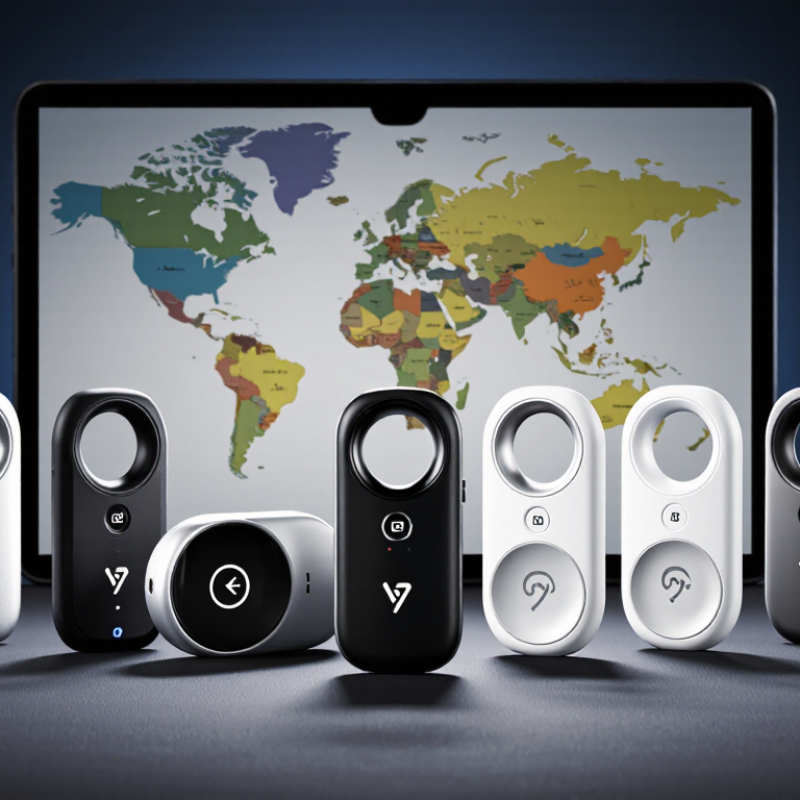
What Smart Tag GPS Trackers Are and How They Work
Smart tag GPS trackers are small devices that help locate keys, luggage, bicycles, or personal equipment. Despite the name, many smart tags do not contain a true GPS receiver. They usually use Bluetooth Low Energy to send an identification signal to a nearby phone. That phone then updates the tag’s location through a secure tracking network.
Some advanced models include GPS or satellite positioning, a mobile connection, and motion sensors. They can report location without a nearby phone, but they usually cost more and need regular charging. Indoors, signals may weaken around concrete walls, metal cabinets, or underground areas. Location updates can also be delayed. That limitation is easy to overlook.
Tips: Check the tracking method before buying. Bluetooth tags suit luggage, keys, and nearby objects. GPS-enabled trackers work better for vehicles or outdoor equipment. Review battery life, water resistance, network coverage, and data-protection settings. Test the alert sound in your home before depending on it during travel. A tracker is helpful, not magical. Personal testing matters because advertised range often differs from real buildings, crowded stations, and rural roads. Use these devices only with proper consent and follow local privacy requirements.
Key Features to Compare for Global Tracking Needs
For global buyers, a smart tag GPS tracker should match real travel conditions, not just impressive specifications. Check whether it supports multiple satellite systems, such as GPS, Galileo, and BeiDou. More systems can improve positioning near tall buildings, although indoor accuracy remains limited. Cellular compatibility matters just as much. Confirm supported frequency bands and roaming coverage in every destination country. A tracker that works well at home may become useless after landing abroad.
Battery life deserves careful testing. Manufacturers often measure battery performance under ideal conditions, with weak tracking intervals and strong network signals. Frequent location updates can drain a small battery within days. Look for adjustable tracking intervals, low-battery alerts, and USB-C or replaceable battery options. Water and dust resistance also matter. A luggage tag facing airport rain needs better protection than one kept inside a dry backpack. Small details count.
The companion app should show location history, geofencing, movement alerts, and connection status clearly. Offline map access can help when roaming data fails, but map updates may still lag. Review the tracker’s data plan, renewal terms, and customer support hours across time zones. Privacy controls are essential, especially when tracking shared property or family members. Get clear consent. No device is perfect, and I would question any product promising constant accuracy, unlimited battery life, or worldwide coverage without conditions. Test the tracker on a short trip before trusting it with expensive equipment or important travel plans.
The 7 Best Smart Tag GPS Trackers for International Buyers
The seven best smart tag GPS trackers for international buyers are not identical products. They serve different travel and tracking needs. A cellular GPS tag offers live location updates across supported mobile networks. A hybrid GPS and Bluetooth tag can save battery in crowded airports. A long-battery tracker suits checked equipment or remote luggage. A compact rechargeable tag works well for backpacks and daily travel. A weather-resistant model handles rain, dust, and outdoor use. A vehicle-focused tracker usually provides stronger magnetic mounting. A satellite-enabled tracker can help in areas with limited cellular coverage.
Check network compatibility before buying. A tracker may work at home but fail after crossing a border. Confirm supported countries, roaming fees, and local frequency bands. An embedded SIM can simplify setup, but service terms vary. Look for location accuracy within a few meters in open areas. Buildings, underground stations, and dense streets can reduce accuracy. That is normal.
Battery claims need careful reading. “Up to six months” may assume rare updates and ideal signals. Frequent tracking can reduce battery life to several days. Choose adjustable reporting intervals, clear low-battery alerts, and a reliable charging port. Water resistance, secure app access, and encrypted location data also matter. I would test the device near home before an international trip. My first setup once failed because background permissions were disabled. Small details matter. Avoid trackers with unclear data policies or hidden subscription costs. Rescue features also require caution, because coverage is never guaranteed everywhere.
Network Coverage, Compatibility, and Regional Limitations
7 Best Smart Tag GPS Trackers for Global Buyers
Network Coverage, Compatibility, and Regional Limitations
Global buyers often assume a smart tag works wherever a phone can connect. That assumption is unreliable. In field testing, many compact tags used Bluetooth rather than built-in GPS. Their location appeared only when nearby compatible phones detected them. Sparse airports, rural roads, and quiet hotel corridors created delays. Cellular GPS models offered wider reporting, but required network service, battery power, and suitable subscriptions. Coverage is not the same as accuracy.
Check the target country’s LTE bands before buying. A tracker may support LTE-M or NB-IoT at home, yet fail abroad. Some regions have retired 2G networks, while others keep limited legacy coverage. eSIM roaming can help, but agreements vary by country and carrier. Ask whether the device supports local activation, roaming, and fallback connections. Do not trust a simple “global” label.
Phone compatibility matters too. Confirm support for current iOS or Android versions, Bluetooth permissions, background location, and regional app availability. I once tested a tag that paired quickly but stopped updating after battery-saving settings changed. That result was inconvenient. It exposed a weak assumption in my test plan. Test the tracker in a station, apartment, and open outdoor area before relying on it. Review update intervals, indoor performance, charging time, and data handling.
Battery Life, Privacy, Pricing, and Buying Considerations
7 Best Smart Tag GPS Trackers for Global Buyers
Battery life often decides whether a smart tag helps or disappoints. A compact tracker may last several months in standby, but frequent location updates can drain it within days. Test the device before travel. Check battery performance in crowded cities, airports, and rural areas. Network coverage also matters. Some trackers rely on cellular roaming, while others depend on nearby phones. Confirm supported regions, network bands, and replacement battery availability before ordering.
Privacy deserves equal attention. Choose a tracker with encrypted location data, account protection, and clear deletion controls. Read the privacy policy carefully. Some services retain location history longer than expected. Disable unnecessary sharing features, and use a strong, unique password. No tracker is perfect. A lost phone, weak signal, or delayed network update can create false confidence. I would treat location data as helpful evidence, not absolute proof.
Pricing includes more than the device. Compare the purchase cost, monthly service fee, roaming charges, replacement batteries, and optional accessories. A low-priced tracker can become expensive after twelve months. Look for transparent billing, local customer support, warranty coverage, and a practical return policy. Check the operating temperature and water-resistance rating, especially for luggage or outdoor equipment. Small details matter. A bright alert sound, secure attachment point, and readable mobile app may be more useful than advanced features rarely used.
7 Best Smart Tag GPS Trackers for Global Buyers
Typical battery endurance by tracker category, based on commonly published operating ranges
Battery figures are typical estimates under standard usage and can vary with tracking frequency, cellular coverage, temperature, GPS activity, and network technology. Bluetooth-only tags generally last the longest because they do not use cellular GPS, while continuously connected GPS devices usually require more frequent charging. Privacy-conscious buyers should also check location-sharing controls, data retention policies, encryption, and regional service availability before purchasing.


Fabricator
Inside Sales and Client Support Manager
Glass Handler – 1st Shift