2026 Best Quartz Microscope Slides for Global Buyers?
In the realm of microscopy, Quartz Microscope Slides have emerged as a vital tool for researchers and educators alike. These slides offer superior clarity and stability compared to traditional glass alternatives. Their chemical resistance plays a crucial role in various scientific investigations. However, not all quartz slides are created equal. The market offers a plethora of options, making the selection process challenging.
For global buyers, understanding the nuances of Quartz Microscope Slides is essential. Quality, thickness, and surface finish can vary significantly. Without proper knowledge, one might purchase an inferior product that hampers research. As microscopy continues to advance, the demand for high-quality slides increases. This raises questions about reliability and sourcing in an ever-growing market.
In this landscape, choosing the best Quartz Microscope Slides demands careful consideration. Evaluating factors like durability and performance can help ensure optimal results. Prospective buyers should be wary of vendors who may not prioritize quality. With attention to detail and informed decisions, researchers can enhance their work significantly.
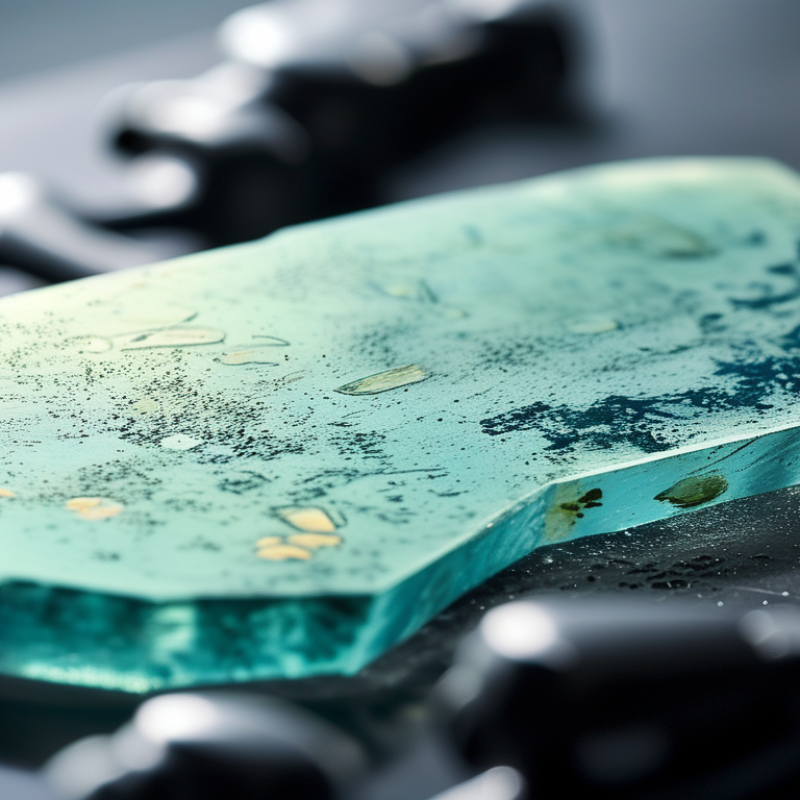
2026 Trends in Quartz Microscope Slide Production for Global Markets
In 2026, the production of quartz microscope slides is anticipated to evolve significantly, driven by advancements in technology and increased global demand. Manufacturers are focusing on enhancing clarity and durability. This shift aims to meet the needs of diverse sectors, including education, research, and healthcare. The quest for higher precision in microscopy is evident.
While innovation is vital, some challenges persist. Quality control remains a concern. Ensuring consistent quality across batches can be complex. Buyers should be vigilant about testing samples before bulk purchasing. Some manufacturers may promise high standards but fall short in execution.
Tips for buyers: Always request detailed specifications before any purchase. Investigate suppliers for feedback and previous work. Don’t hesitate to ask about production methods and quality assurance processes. Transparency is key in selecting a reliable provider. Always keep abreast of industry trends to make informed decisions. Awareness leads to confidence in your choices.
Key Features and Specifications of Top Quartz Microscope Slides
When choosing quartz microscope slides in 2026, key features like transparency and durability matter. Quartz slides are essential for many scientific applications. They are often preferred for their low fluorescence and high thermal stability. Studies show that the transmission rate of quartz slides typically exceeds 90%. This means better visibility of microscopic samples.
Another critical specification is the thickness of the slides. Standard thickness ranges from 1.0 mm to 1.2 mm. Thicker slides may enhance durability but can also obscure fine details. Some users report difficulties in achieving optimal focus with thicker options. Additionally, the edge finish is significant; polished edges reduce risks of chipping and ensure safety during use.
Quality control is crucial in the production of quartz slides. Manufacturers often test for surface quality and cleanliness. Impurities can affect optical performance. Reports indicate that around 15% of slides do not meet the highest standards upon initial inspection. This fact highlights the necessity for thorough quality checks. Users need to remain diligent about sourcing their materials from reliable suppliers to avoid such issues.
Market Leaders in Quartz Microscope Slides: A Comparative Analysis
In 2026, the demand for quartz microscope slides continues to rise significantly. These slides are favored for their durability and optical clarity. They offer high precision for various microscopic applications. Many laboratories and researchers rely on them for their studies. A comparative analysis reveals several market leaders that stand out due to their innovative designs and material quality.
One key point in this analysis is the consistency in product performance. Some manufacturers excel in producing slides that minimize background interference, enhancing visibility for microscopic analysis. Other players differentiate themselves by focusing on affordability without sacrificing quality. However, not all brands provide the same level of consistency. Some users report variations in thickness and clarity, which can affect results. It's essential for buyers to consider specific applications when choosing quartz slides to ensure optimal performance.
Additionally, sustainability has become a notable factor in the market. Some companies are exploring eco-friendly materials while maintaining product integrity. This shift reflects a growing awareness of environmental impacts within the industry. Yet, questions remain about the long-term viability of these options. Researchers must weigh the benefits of sustainability against the need for high-quality materials. Understanding these nuances is crucial for making informed purchasing decisions.
Factors Influencing Purchases of Quartz Microscope Slides Worldwide
When considering quartz microscope slides, several key factors influence global buyers. Quality is paramount. The precision of quartz material directly impacts clarity and durability. Users need slides that resist scratches and tarnishing. This ensures reliable results in microscopy.
Price is another important aspect. Different suppliers offer varied pricing structures. Buyers often weigh cost against quality, seeking the best value for their budget. Bulk buying options can lead to significant savings, yet balancing price and excellence is challenging.
Lastly, supplier reputation plays a crucial role. Established companies usually have a track record of reliability. Buyers often look for reviews and ratings. However, newer companies can sometimes offer innovative solutions. Choosing the right quartz microscope slides demands careful evaluation of these factors to ensure the best purchase experience.
Sustainability and Innovations in the Quartz Microscope Slide Industry
The quartz microscope slide industry is experiencing significant transformations driven by sustainability practices. Manufacturers are increasingly focusing on eco-friendly materials. Traditional glass slides often contribute to environmental waste. Quartz, being more durable, offers a promising alternative. This shift not only protects the planet but also enhances the longevity of slides.
Innovations in the field are notable as well. New techniques are emerging for producing quartz slides. These methods reduce energy consumption significantly. Researchers are exploring recycling options for old slides. However, challenges remain in ensuring mass adoption of these practices. Some still prioritize cost over sustainability. The path to greener solutions requires industry-wide commitment and transparency.
The quest for innovation does not stop at materials and methods. There is a growing need for education in the scientific community. Understanding the benefits of quartz slides can lead to their wider use. Yet, there is often resistance to change. Continued dialogue and research are essential. Only through acknowledging imperfections can real progress be made. Exploring new ideas may pave the way for a more sustainable future in microscopy.


Fabricator
Inside Sales and Client Support Manager
Glass Handler – 1st Shift