10 Best AI Robots Revolutionizing Industries in 2023
As we navigate through 2023, the integration of AI robots into various industries is not just a trend but a revolutionary shift that is reshaping our economic landscape. According to the International Federation of Robotics, more than 2.7 million industrial robots are now operating in factories across the globe, highlighting the growing reliance on automation to enhance productivity and efficiency. AI robots are at the forefront of this transformation, providing capabilities that extend beyond traditional mechanization. These advanced machines are equipped with artificial intelligence, allowing them to perform complex tasks, learn from their environment, and adapt to changing demands.
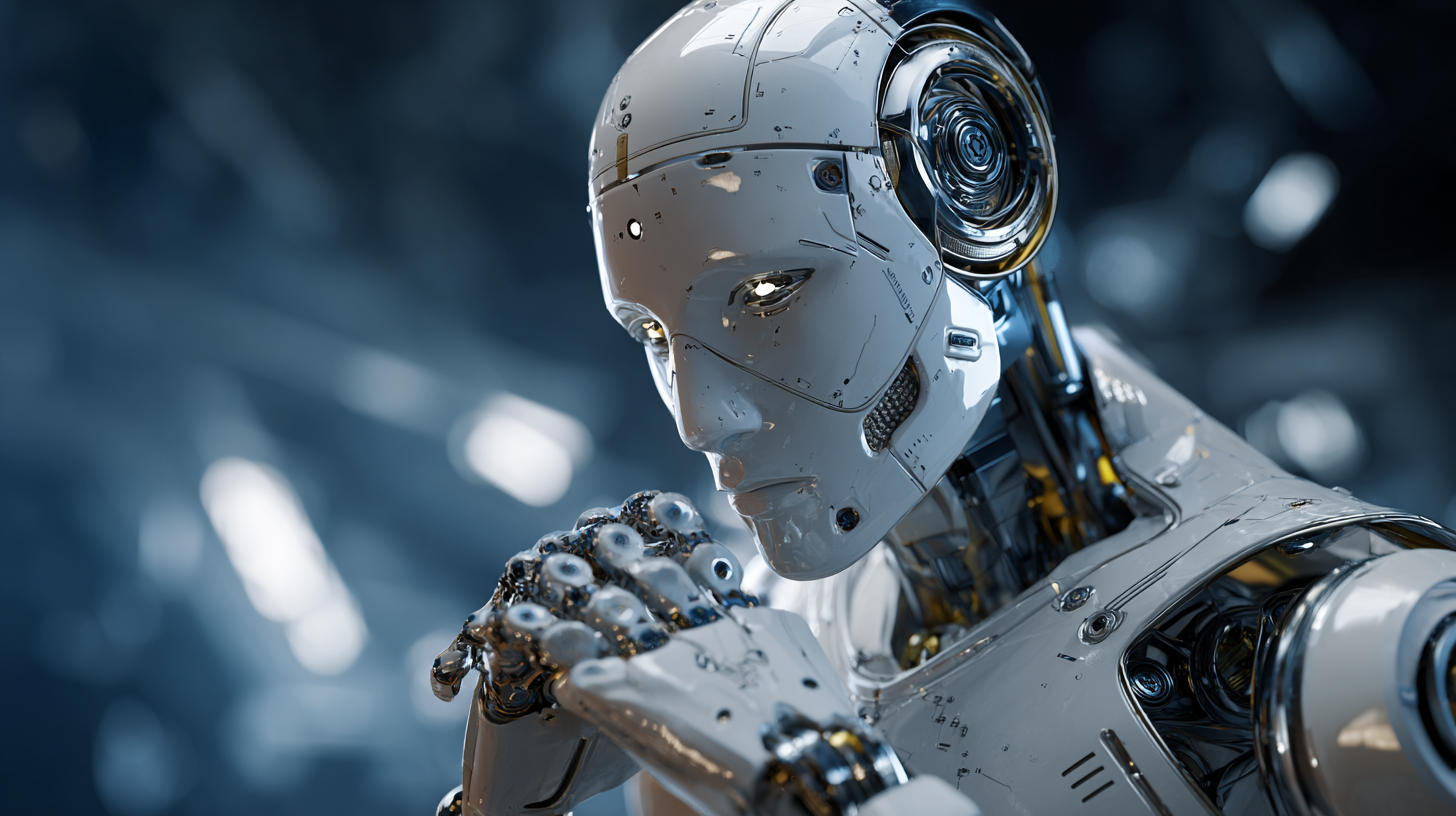
The impact of AI robots is particularly evident in sectors such as manufacturing, healthcare, and logistics. A report by McKinsey estimates that by 2030, up to 30% of jobs in these sectors could be automated, drastically changing the workforce dynamics. In healthcare, AI robots are improving patient outcomes by assisting in surgeries and managing patient care. In logistics, companies like Amazon are utilizing AI-driven robots to streamline their operations, resulting in significant cost savings and efficiency gains. This growing adoption of AI robots signifies a fundamental shift towards a more automated and intelligent operational model, pushing industries to innovate and evolve.
AI Robots Streamlining Manufacturing Processes in 2023
In 2023, artificial intelligence robots are playing a pivotal role in revolutionizing manufacturing processes, significantly enhancing efficiency and quality control. The integration of AI into manufacturing systems not only streamlines operations but also minimizes unplanned downtime through predictive maintenance. This proactive approach allows manufacturers to anticipate equipment failures, reducing costs and ensuring smoother production flows. The usage of AI enables data-driven insights that help manufacturers make informed decisions, establishing a more agile and responsive production environment.
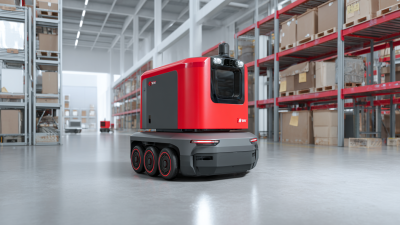
Moreover, AI robots are transforming various aspects of the manufacturing ecosystem. From automating repetitive tasks to augmenting human capabilities on the production line, these advanced systems help optimize labor and resource allocation. Companies are increasingly adopting AI technologies to innovate their manufacturing solutions, as evidenced by successful case studies where robots were introduced to maximize warehouse efficiency. As the market for AI in manufacturing expands, with projections indicating substantial growth, the potential benefits of incorporating AI robots into industrial processes are becoming increasingly evident.
Transformative AI Bots Enhancing Healthcare Services and Patient Care
In 2023, the healthcare sector continues to witness a transformative shift fueled by advanced AI robots that enhance patient care and streamline service delivery. According to a report by Accenture, the integration of AI technologies in healthcare could save the industry up to $150 billion annually by 2026. AI bots are increasingly employed in various capacities, such as virtual health assistants, which provide 24/7 support to patients, ensuring they receive timely responses to their queries and facilitating better health monitoring.
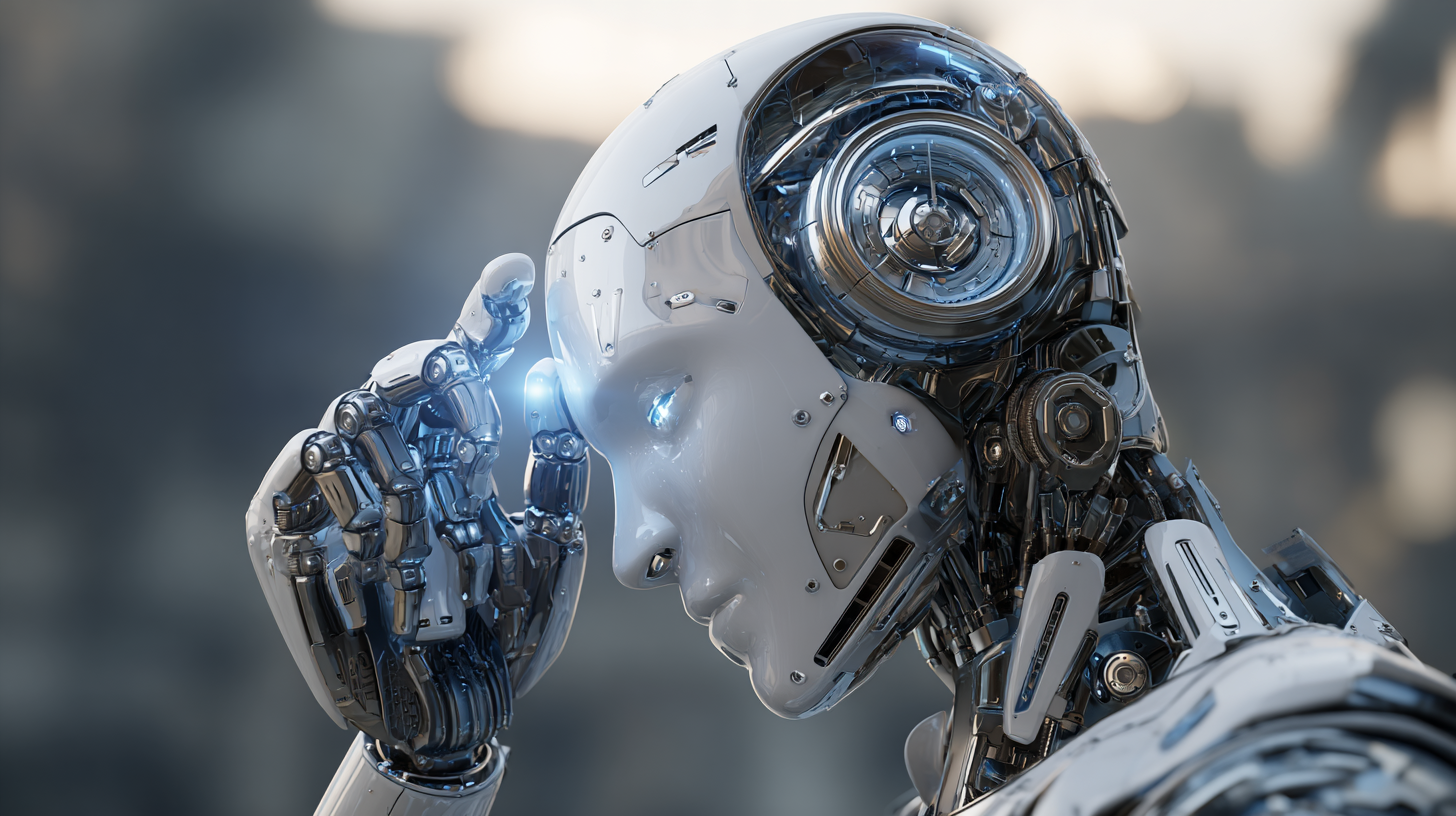
Moreover, AI-driven robots are making significant strides in surgical environments, improving accuracy and reducing recovery times. A report from MarketsandMarkets predicts that the surgical robotics market will reach $24 billion by 2026, growing at a CAGR of over 15%. These intelligent systems not only assist surgeons but also enhance the precision of procedures, resulting in better patient outcomes. Through continuous advancements in machine learning and natural language processing, AI bots are set to redefine patient interactions and improve overall healthcare efficiency, making them indispensable tools for the industry.
Revolutionary AI Solutions in Agriculture for Sustainable Food Production
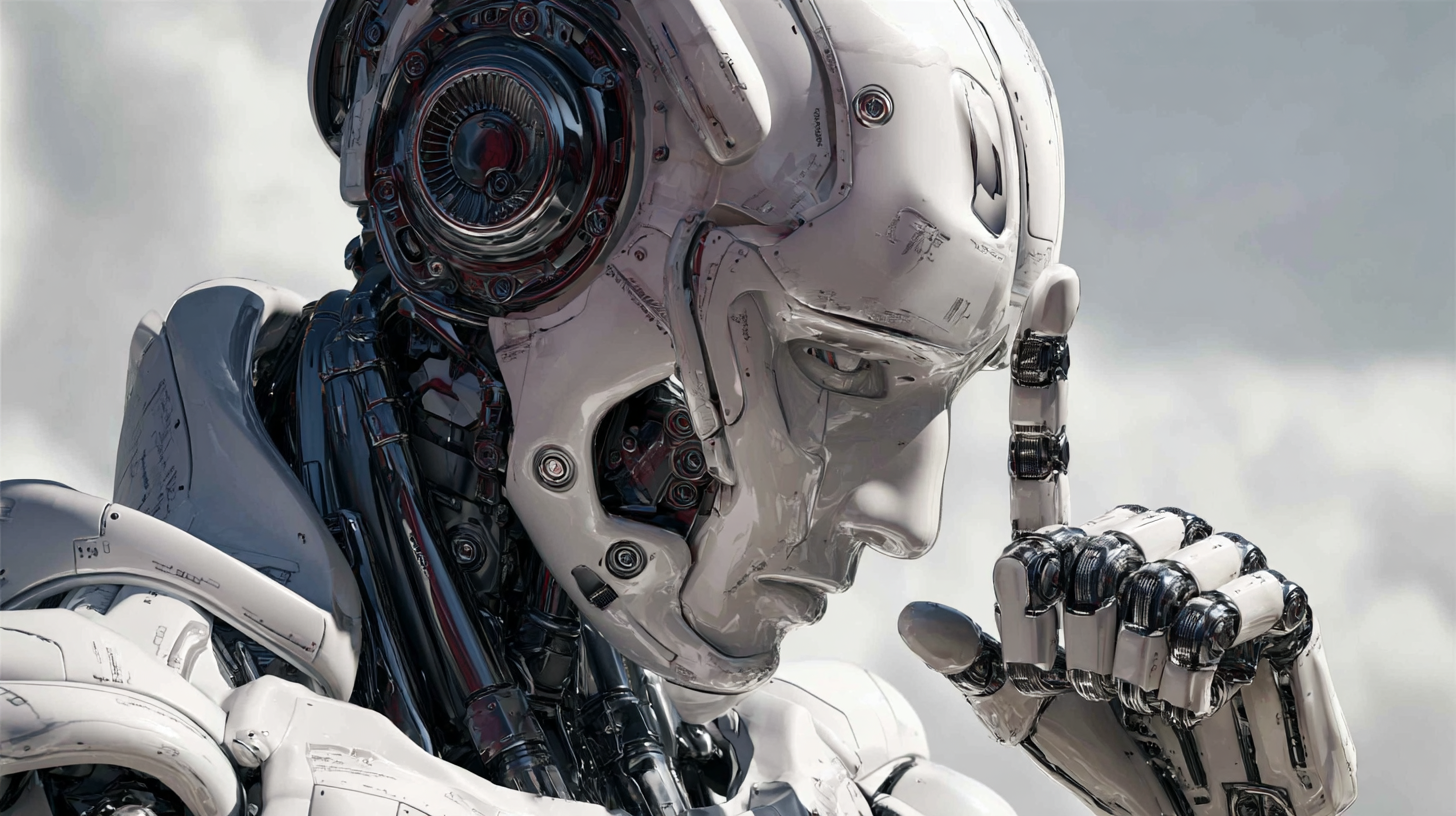 The integration of AI robots in agriculture is transforming the landscape of food production, paving the way for sustainability and efficiency. These advanced systems employ machine learning algorithms and robotics to enhance crop management practices. For instance, AI-driven drones are utilized for precision agriculture, enabling farmers to analyze crop health, monitor irrigation needs, and optimize fertilizer application. This not only maximizes yield but significantly reduces resource waste, aligning agricultural practices with sustainable development goals.
Moreover, autonomous harvesting robots are redefining labor dynamics on farms. These robots can operate around the clock, dramatically increasing the speed of harvesting and reducing the reliance on seasonal labor. Equipped with sophisticated sensors and computer vision technology, they can identify ripe produce without damaging the plants, ensuring high-quality yields. By minimizing the need for human labor in labor-intensive tasks, these AI solutions help farmers adapt to labor shortages while maintaining productivity in an increasingly challenging agricultural environment.
Next-Gen AI Automation Tools Optimizing Logistics and Supply Chain Management
AI is revolutionizing logistics and supply chain management, which is projected to grow from $11.08 billion in 2025 to $32.71 billion by 2032, achieving a compound annual growth rate (CAGR) of 16.7%. This rapid growth is driven by the increasing demand for efficiency and optimization within the industry. Traditional logistics is now merging with digital transformation and AI technologies, creating a new ecosystem referred to as "AI + logistics." This evolution not only enhances operational effectiveness but also introduces intelligent innovations that can respond to complex challenges in supply chain management.
**Tips:** Leverage AI-driven analytics to enhance decision-making processes in logistics. Implement automated solutions to streamline mundane tasks, allowing your teams to focus on strategic initiatives. Additionally, consider investing in generative AI technologies as they reshape the foundational logic of business operations, providing scalable and adaptable solutions.
As AI continues to shape the industry, companies must adapt to this shift by embracing advanced technologies. The integration of AI agents in supply chain activities, with the market projected to grow from $3.66 billion in 2023 to $139.12 billion by 2033, indicates the significant role these innovations will play in enhancing efficiency and reducing operational costs in logistics. Staying ahead in this transformative landscape requires continuous investment in AI tools and automation, ensuring that businesses can meet the shifting demands of global commerce.
Top 10 AI Robots Revolutionizing Industries in 2023
Innovative AI Robotics Reshaping Retail Experiences and Customer Engagement
The integration of AI in retail is transforming the shopping landscape, enhancing customer engagement and personalizing experiences like never before. With advanced algorithms, retailers can deploy dynamic pricing strategies that adapt in real-time, ensuring competitive pricing for a diverse range of products. This ability not only improves sales but also fosters customer loyalty, as consumers appreciate being offered the best possible deals.
Moreover, AI technology is revolutionizing inventory management by predicting trends and customer preferences based on data analytics. This leads to more effective stock management, reducing overstock and stockouts. As fashion brands increasingly adopt AI-driven solutions, personalized shopping experiences are becoming the norm. Customers receive tailored recommendations that align closely with their tastes and shopping habits, streamlining the purchasing process and enhancing overall satisfaction. As we move toward 2025, these innovations underscore the pivotal role of AI in reshaping retail dynamics.
10 Best AI Robots Revolutionizing Industries in 2023
| Robot Type |
Industry |
Primary Function |
Impact on Customer Engagement |
| Service Robot |
Retail |
Customer Assistance |
Enhanced customer interaction and satisfaction. |
| Inventory Robot |
Warehousing |
Inventory Management |
Improved stock availability and accuracy. |
| AI Chatbot |
E-commerce |
Customer Support |
24/7 support leading to faster resolutions. |
| Autonomous Delivery Robot |
Food Service |
Product Delivery |
Convenient delivery increasing customer loyalty. |
| Interactive Kiosk |
Food Retail |
Order Placement |
Enhanced user experience through personalization. |
| Data Analysis Robot |
Marketing |
Customer Insights |
Targeted marketing strategies based on data. |
| Checkout Robot |
Retail |
Payment Processing |
Faster checkout processes enhancing convenience. |
| Robotic Merchandise Display |
Retail |
Product Promotion |
Engaging displays attracting more customers. |
| Personalized Recommendation Bot |
E-commerce |
Product Recommendations |
Increased sales through tailored suggestions. |
| Smart Surveillance Robot |
Retail Security |
Security Monitoring |
Enhanced safety improving customer trust. |





Fabricator
Inside Sales and Client Support Manager
Glass Handler – 1st Shift