What is a Battery Crush Test Chamber and Why is it Important?
The Battery Crush Test Chamber is crucial in ensuring the safety and reliability of lithium-ion batteries. With the global battery market projected to grow significantly, rigorous testing standards become essential. According to a report by the International Energy Agency, the demand for lithium-ion batteries is expected to increase by 25% annually through 2030. This highlights the need for advanced testing methods.
Crush tests assess a battery's response to mechanical stress. They simulate real-world conditions where batteries may be subjected to impact. Data from recent studies shows that improper battery handling can lead to serious failures and even fires. The Battery Crush Test Chamber helps manufacturers analyze these risks. By evaluating battery performance under controlled conditions, companies can create safer products.
However, reliance on these test chambers raises questions about the limitations of current testing protocols. They often lack the ability to replicate every possible real-world scenario. Continuous improvements and adaptations in testing methods are necessary to enhance safety further. Acknowledging these challenges allows for a deeper understanding of battery performance and paves the way for innovation.
Definition and Purpose of a Battery Crush Test Chamber
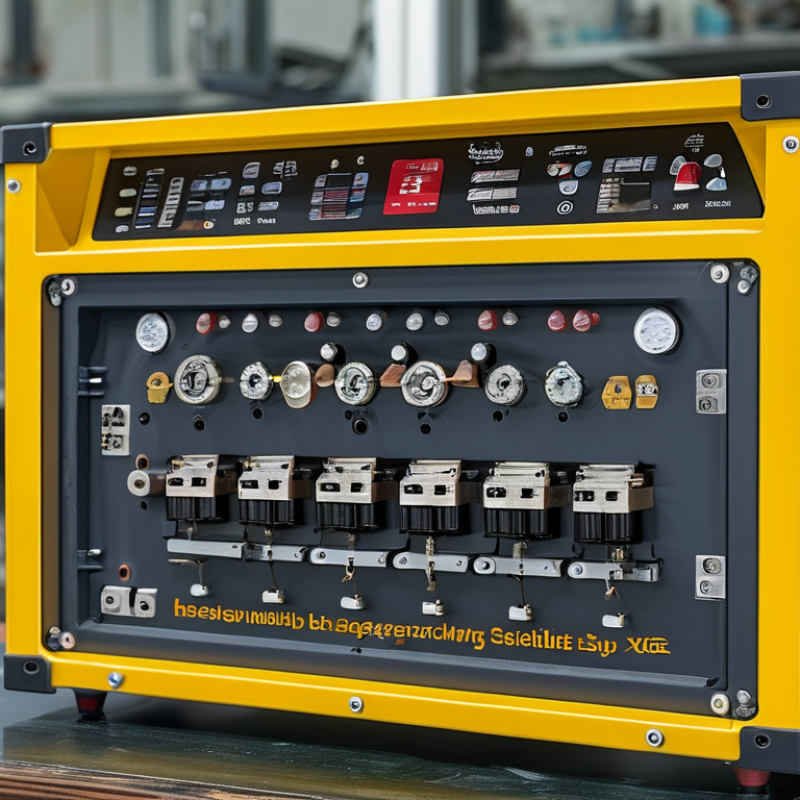
A battery crush test chamber is a specialized device designed to evaluate the safety and performance of batteries under extreme conditions. The purpose of this chamber is to simulate the crushing forces that can occur during accidents or improper handling. By applying pressure to the battery, researchers can observe how it reacts and whether it poses any safety risks.
During a crush test, various parameters are measured. These include voltage response, temperature changes, and any physical deformities of the battery. Understanding these factors is crucial for developing safer battery technologies. A well-constructed test chamber ensures accurate and reliable data, helping manufacturers improve battery design.
While many tests exist, the crush test stands out because it mimics real-world scenarios. However, not all chambers are created equal. Some may not represent true crushing conditions, leading to incomplete data. Professionals in the field continuously evaluate the testing methods to ensure they meet safety standards. This ongoing reflection is vital for innovation and improving battery safety protocols.
Key Features and Components of Battery Crush Test Chambers
Battery Crush Test Chambers are specialized equipment used to evaluate the safety and performance of batteries under extreme conditions. These chambers simulate the physical stresses and damages that batteries may encounter during use or accidents. Key features of these chambers include controlled environments for precise measurements, adjustable crush forces, and advanced monitoring systems to record battery reactions.
The components of a Battery Crush Test Chamber typically include a hydraulic press, a safety enclosure, and data acquisition systems. The hydraulic press generates the required crush force—ranging from 1,000 to 10,000 pounds per square inch. This force is essential for mimicking real-world scenarios where batteries might experience heavy impacts. According to industry reports, over 40% of battery-related incidents arise from mechanical failures. Proper testing can reveal vulnerabilities that might not be apparent during standard evaluations.
Moreover, adequate design and implementation of these chambers contribute to safer battery technologies. They can prevent incidents such as thermal runaway when batteries are crushed. However, challenges remain in standardizing test protocols across various manufacturers. Ensuring that all chambers meet rigorous safety standards is crucial. Industry guidelines suggest regular calibration and maintenance of testing equipment to maintain accuracy and reliability in results.
The Importance of Battery Crush Testing in Safety Standards
Battery crush testing is critical for ensuring safety in battery design. These tests simulate extreme conditions where batteries might face crushing forces. During such events, batteries can potentially become hazardous. There can be leaks, fires, or even explosions. Understanding how batteries react to these forces is essential.
Safety standards are increasingly demanding robust testing protocols. Regulatory bodies require manufacturers to prove their products can withstand certain physical challenges. Without comprehensive testing, a battery’s performance in real-world scenarios might remain unknown. Many manufacturers face pressure to improve safety features, yet not all meet these rigorous tests.
One can't overlook the fact that not all designs pass safety requirements during crush tests. This reality raises questions about current testing methods. Can we enhance these standards to prevent failures? It's an ongoing conversation within the industry. Battery safety should always be paramount, and every step toward improvement counts.
Battery Crush Test Results
The following bar chart illustrates the results of battery crush tests conducted on different battery types. These results are crucial for understanding the safety and performance of batteries under extreme conditions.
Applications of Battery Crush Test Chambers in Industry
Battery crush test chambers play a vital role in various industries by ensuring the safety and reliability of battery systems. These chambers replicate the extreme conditions batteries can face during accidents or harsh environments. In the automotive sector, for instance, crush tests help assess the structural integrity of batteries used in electric vehicles. Ensuring that batteries can withstand physical stress is crucial for preventing hazardous failures.
In the consumer electronics industry, these test chambers simulate crush impacts that could occur in everyday use. Laptops, smartphones, and tablets must pass rigorous testing to avoid catastrophic failures. A battery failure can lead to overheating or even fires. Thus, utilizing battery crush test chambers is essential for manufacturers to guarantee the safety of their products.
Tips for testing: Always calibrate the test chamber before use. Ensure your testing parameters align with industry standards. Document each test thoroughly to identify any patterns or concerns. Reflect on previous test outcomes to improve your process. Regular maintenance of the test equipment can enhance accuracy and reliability. Continual evaluation helps optimize results and enhance safety.
Future Developments in Battery Testing Technologies
The battery testing landscape is rapidly evolving. As demands for efficient energy storage grow, so do the testing technologies needed to ensure safety and performance. Historically, battery crush test chambers have been crucial for evaluating how batteries withstand physical stress. However, the future holds even more advanced methodologies.
Emerging technologies like artificial intelligence and machine learning are beginning to play a role. These tools can analyze data more efficiently, predicting battery failures before they happen. This proactive approach improves safety in real-world applications. New materials are also on the horizon, potentially increasing battery resilience. Yet, many testing environments still rely heavily on traditional methods. There is room for improvement in agility and adaptability.
Researchers and manufacturers must address these gaps. Continuous updates to testing standards can promote innovation. Reliance on outdated technologies may hinder progress. It raises questions about efficiency and overall safety. The evolution of battery testing isn't just about creating better batteries; it’s about ensuring they are safe for everyday use. Only then can we fully embrace renewable energy solutions.


Fabricator
Inside Sales and Client Support Manager
Glass Handler – 1st Shift