Taking Custom Design to New Levels
PROUD TO BE PART OF THE BRIN FAMILY OF COMPANIES

OTHER BRIN LOCATIONS
Brin Glass Company | Minneapolis, MN
St. Germain’s Glass | Duluth, MN
Heartland Glass | Waite Park, MN

Choosing the right Foldable Sunroom is not simply a matter of comparing prices. Global buyers must examine climate, frame strength, fabric performance, ventilation, and installation support. A sunny balcony in Spain creates different demands from a snowy patio in Canada. Coastal homes also need better corrosion resistance.
James R. Whitmore, an outdoor-enclosure product consultant with more than fifteen years of field experience, says, “A foldable sunroom should open easily, seal reliably, and remain comfortable when the weather changes suddenly.” That practical test matters. A beautiful enclosure is less useful if its zippers jam, panels buckle, or roof fabric collects rainwater.
This guide reviews seven promising Foldable Sunroom options for international buyers. Each selection is considered through real-use details, including folding space, window clarity, anchoring methods, airflow, and replacement-part access. We also look at portability. Some models suit seasonal gardens, while others work better on permanent terraces.
Small details can decide comfort.
For example, a double-door layout may improve airflow but require extra clearance. A lightweight frame may simplify storage but feel less stable in strong wind. Product descriptions often sound perfect. They are not always complete. Buyers should still verify dimensions, warranty terms, shipping limits, and local installation requirements before ordering.
The ranking is therefore useful, but not absolute. Regional weather and building conditions can change the result. A dependable choice balances convenience, durability, and realistic maintenance. That balance is often overlooked.
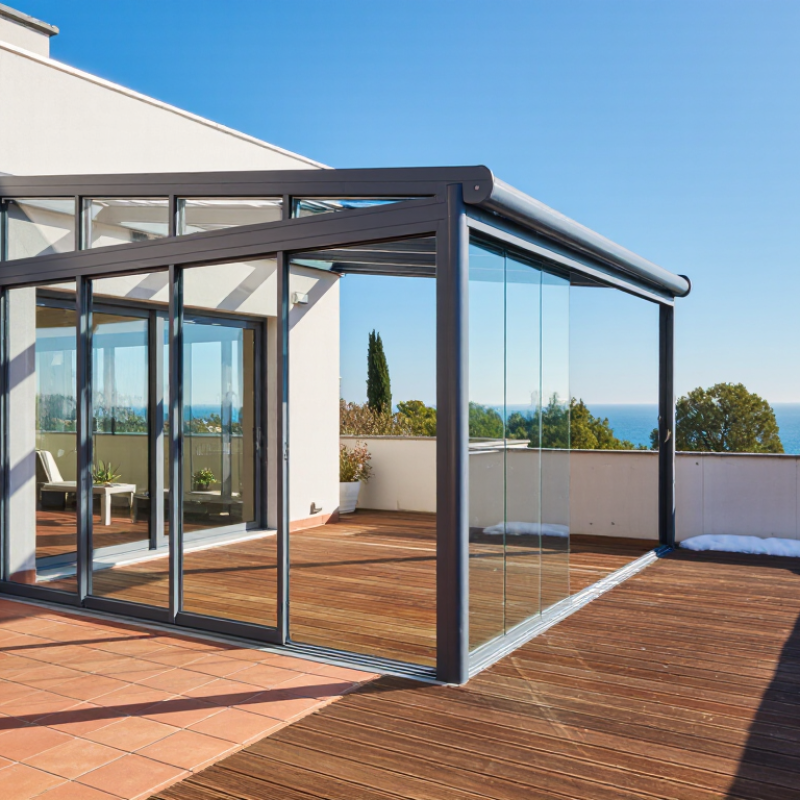
A foldable sunroom is a lightweight outdoor room that opens, closes, or folds beside a house. It usually combines a framed structure with sliding panels, hinged sections, or flexible weather-resistant screens. Unlike a permanent extension, it can change with the season. You may enjoy morning sunlight, then close the enclosure before evening rain.
The operating principle is simple. Panels move along tracks or fold at linked joints, while seals reduce drafts and water entry. A stable base carries the frame, and locking points hold the structure during use. Roof angles help rainwater drain away. Some designs also include adjustable vents, shade panels, and removable screens. In warm regions, cross-ventilation matters more than thick insulation. In colder climates, stronger glazing and tighter seals become important. Local wind, snow, humidity, and foundation conditions should guide the purchase.
I have found that installation quality often affects comfort more than appearance. A slightly uneven track can make folding awkward. A small drainage mistake may cause pooling after heavy rain. These details are easy to overlook. Buyers should check structural ratings, replacement parts, cleaning access, and installation instructions before ordering. A foldable sunroom is not automatically suitable for every climate. It works best when its materials and anchoring method match the site, not merely the product photographs.
When comparing foldable sunrooms, start with the frame rather than the appearance. Powder-coated aluminum is light, resists corrosion, and usually needs little maintenance. Steel can feel stronger, but it may add weight and require better rust protection. Check hinge quality, locking points, and replacement-part availability before buying. Small hardware failures become frustrating during repeated folding.
Fabric and panels need equal attention.
Look for UV-resistant covers, sealed seams, and transparent panels that resist yellowing. A waterproof claim is not enough; inspect drainage paths and lower-edge sealing. Ventilation windows can reduce condensation in humid climates.
In colder regions, double-layer panels may retain heat better, although they often increase weight and price. Larger windows look attractive, but they can create more wind pressure.
Climate ratings deserve careful reading.
Ask for tested wind, snow, and water-load information, not vague phrases such as “all-weather.” Anchoring systems should match the ground, whether it is concrete, timber, or compact soil.
Setup time matters too. A structure advertised as portable may still require two adults and several tools. That detail is easy to miss. Measure the folded size, doorway width, and storage space at home.
Check warranty coverage, technical support, and delivery conditions in your country. Local building and placement rules may also apply. No option is perfect; a lighter model may travel easily but feel less stable in severe weather.
For global buyers, the seven strongest foldable sunroom types serve different climates and spaces: retractable glass rooms, insulated polycarbonate rooms, lightweight fabric enclosures, aluminum-frame rooms, balcony sunrooms, patio pergolas, and greenhouse-style conservatories.
Retractable glass provides clear views and stronger weather protection. Polycarbonate panels reduce weight and can soften harsh sunlight.
Fabric systems cost less, but wind resistance deserves careful checking. Aluminum frames resist corrosion in many coastal settings, although thermal bridging can reduce comfort.
Balcony models suit apartments with limited floor space. Patio pergolas offer flexible shade rather than full seasonal insulation. Greenhouse-style rooms support plants, but summer overheating remains a common weakness.
The International Energy Agency reports that buildings consume about 30% of global final energy. It also links buildings to roughly 26% of energy-related emissions. Better glazing, roof shading, and controllable ventilation therefore matter beyond appearance. Look for tested air leakage, structural-load, solar-control, and drainage data. Product claims without test methods are weak evidence. Small details matter.
Climate changes the ranking. A humid buyer may prioritize corrosion protection and mold-resistant fabrics. A cold-region buyer needs insulated panels and reliable seals.
A windy coastal buyer should verify anchoring, frame strength, and local engineering requirements. This seven-type framework is useful, but imperfect.
Installation quality can outweigh the brochure specification. Ask for independent reports, maintenance guidance, and replacement-part availability before ordering.
7 Best Foldable Sunrooms for Global Buyers?
Choosing a foldable sunroom starts with climate, not appearance. In hot regions, select UV-resistant fabric, reflective roofing, and wide ventilation panels. A screened design can reduce insects while allowing cross-breezes. However, dark roofs may still create uncomfortable heat at midday. A mistake many buyers make is trusting shade alone.
For humid or rainy climates, prioritize sealed joints, sloped roofs, and quick-draining floors. Aluminum frames resist moisture better than untreated steel. In cold areas, insulated panels and double-layer windows retain warmth more effectively. Snow-rated structures need strong connectors and a steep roof angle. The lightest model is not always the safest choice. Check local snow and wind requirements before ordering.
Coastal buyers should seek corrosion-resistant hardware and rinse exposed surfaces regularly. Dry, windy regions need weighted bases, anchored corners, and flexible wind panels. The seven most practical designs include mesh shelters, insulated panel rooms, polycarbonate-roof units, retractable awnings, glass folding rooms, snow-strengthened cabins, and coastal-resistant enclosures. Each suits a different weather pattern. Measure the installation area after rain, not only on a dry day. Some floors settle later. That detail is easy to overlook. Confirm replacement parts, ventilation options, and installation guidance with the supplier. Climate advice remains imperfect because local exposure can change within a few streets.
This chart compares representative long-term climate indicators for seven major climate conditions. Hot, humid regions benefit from ventilated mesh panels and strong UV protection, while cold or snowy regions require insulated glazing, sealed frames, and reinforced structures. Precipitation figures are approximate annual averages, rounded from commonly reported climate normals.
7 Best Foldable Sunrooms for Global Buyers?
A foldable sunroom looks simple, but installation needs careful site planning. Measure the opening, roof edge, floor slope, and drainage path before ordering. Local wind, snow, rain, and seismic risks can change the required frame strength. ASCE 7-22 provides design loads for wind and snow in many U.S. projects. European buyers may need EN 1991 calculations instead. Safety is local. A qualified installer should verify anchors, hinges, glazing, and emergency access. I would not rely only on a supplier’s weight chart. Site conditions often expose its limits.
Maintenance protects comfort and service life. The U.S. Department of Energy reports that windows can cause 25–30% of residential heating and cooling energy use. Select suitable insulation, shading, and weather seals for the local climate. Clean tracks with a soft brush, then inspect screws and drainage channels each season. Replace cracked panels quickly. Water finds gaps. Salt air needs more frequent rinsing, especially near coastlines. UNEP’s 2023 Global Status Report for Buildings and Construction links buildings with 34% of global energy demand, so poor sealing deserves attention.
Buying decisions should include replacement parts, warranty terms, fire performance, and storage space. Ask for tested wind-load results, material specifications, and installation drawings. Check whether local building approval is required before payment. Independent inspection adds cost, but it can reveal weak anchors or unsafe folding clearance. Some products look elegant yet feel unstable in real weather. That is an uncomfortable, but useful, warning.
| Category | Typical Structure and Best Use | Common Size Range | Typical Materials | Installation Level | Weather and Climate Suitability | Maintenance Requirements | Key Safety Considerations | Indicative Budget Range* | Best For |
|---|---|---|---|---|---|---|---|---|---|
| 1. Pop-Up Canopy Sunroom | Portable, quick-deploy enclosure with a folding frame and removable side panels. Suitable for seasonal outdoor living. | Approximately 2.5 × 2.5 m to 4 × 8 m | Powder-coated steel or aluminum frame; polyester, PVC-coated fabric, mesh, or clear vinyl panels | Low; usually 2–4 adults and basic tools | Good for sun, light rain, and moderate wind when anchored; unsuitable for severe storms, heavy snow, or permanent exposure | Clean fabric and panels regularly; dry completely before storage; inspect frame joints and anchors | Use all supplied stakes, weights, and guy lines; never leave unattended in strong wind; keep clear of heaters and open flames | US$150–US$900 | Renters, events, temporary shade, and low-cost seasonal use |
| 2. Folding Glass-Panel Sunroom | A more permanent room using folding or stacking glazed panels to connect an interior room with a patio or garden. | Approximately 6–20 m² | Aluminum framing; tempered safety glass or laminated glass; weather-resistant seals and tracks | High; professional measurement, structural checks, and installation are recommended | Good for many temperate climates; performance depends on glazing, drainage, seals, and local wind or snow design requirements | Wash glass with non-abrasive products; clear tracks and drainage channels; inspect seals and hardware at least twice a year | Confirm safety-glazing compliance; use laminated or tempered panels; provide secure locks and avoid obstructing escape routes | US$8,000–US$35,000+ | Homeowners seeking year-round visual connection and flexible indoor-outdoor space |
| 3. Retractable Roof Sunroom | A framed enclosure with a manually operated or motorized folding roof for adjustable daylight and ventilation. | Approximately 8–30 m² | Aluminum or galvanized steel frame; polycarbonate, fabric, glass, or insulated roof panels | Medium to high; requires accurate anchoring, roof drainage, and electrical work for motorized models | Suitable for sunny and moderate-rain climates; roof should be closed and secured before high winds or heavy snowfall | Remove leaves from roof channels; lubricate moving parts according to instructions; test sensors, drainage, and emergency controls | Install overload protection and manual override; keep fingers away from moving sections; use a qualified electrician for powered systems | US$10,000–US$45,000+ | Buyers who prioritize ventilation, shade control, and adaptable outdoor entertaining |
| 4. Modular Panel Sunroom | A kit-based enclosure assembled from standardized wall and roof modules; panels can often be removed or reconfigured. | Approximately 6–25 m² | Aluminum, steel, or treated timber frame; twin-wall polycarbonate, acrylic, glass, or insulated composite panels | Medium; careful leveling and anchoring are essential, while larger models may require professional assembly | Good for mild to moderate climates; insulated panels improve seasonal comfort but do not automatically provide full building-code performance | Check fasteners, panel connections, seals, and foundation movement; clean translucent panels with mild soap and water | Verify foundation capacity and local permit rules; protect panels from impact; ensure adequate ventilation to reduce condensation | US$3,000–US$18,000 | DIY-capable buyers wanting a more durable alternative to fabric structures |
| 5. Bioclimatic Louvered Sunroom | A folding or adjustable enclosure using rotating louvers to regulate sunlight, airflow, and privacy. | Approximately 8–35 m² | Powder-coated aluminum louvers; aluminum posts; optional glass sliding or folding doors | High; requires accurate alignment, drainage planning, and electrical installation for automated controls | Strong option for hot, sunny, and humid regions; must be engineered for local wind loads and corrosion conditions | Clean louvers and hinges; inspect corrosion protection; check motors, sensors, seals, and drainage before the wet season | Use wind and rain sensors where available; provide pinch-point protection; keep the structure properly bonded and electrically grounded | US$15,000–US$60,000+ | Premium buyers in warm climates who want automated environmental control |
| 6. Inflatable or Air-Beam Sunroom | A lightweight enclosure supported by air-filled beams or inflatable framing for rapid setup and portability. | Approximately 3–20 m² | Coated polyester, PVC, TPU, reinforced textile membranes, and electric or manual air pumps | Low to medium; setup is simple, but anchoring and correct inflation are critical | Best for calm, dry, and moderate conditions; generally unsuitable for hail, sharp debris, extreme heat, or severe wind | Dry fully before packing; inspect seams and valves; store away from rodents, sharp objects, ultraviolet exposure, and moisture | Use a residual-current device for electric pumps; maintain continuous anchoring; do not exceed recommended occupancy or pressure limits | US$800–US$6,000 | Travelers, temporary installations, exhibitions, and users needing compact storage |
| 7. Folding Timber Sunroom | A warm-looking folding enclosure using hinged timber frames, often combined with removable glazing or insulated panels. | Approximately 5–20 m² | Engineered or treated timber; glass, polycarbonate, fabric, or insulated panel infill | Medium to high; requires a level base, moisture control, and accurate frame assembly | Suitable for mild and temperate climates; timber needs additional protection in wet, coastal, or termite-prone areas | Recoat or reseal exposed timber as needed; check for rot, insects, moisture ingress, loose hardware, and warped folding joints | Use treated or properly protected timber; provide adequate ventilation; secure doors and panels against accidental movement | US$4,000–US$22,000 | Buyers who value natural appearance, customization, and moderate seasonal use |
Taking Custom Design to New Levels

Brin Glass Company | Minneapolis, MN
St. Germain’s Glass | Duluth, MN
Heartland Glass | Waite Park, MN

Fabricator
Inside Sales and Client Support Manager
Glass Handler – 1st Shift