2026 Best Mining Dredge for Sale Which One Is Right?
Choosing a Mining Dredge in 2026 is not a matter of buying the largest pump. It is about matching the machine to the deposit, water conditions, and daily production target. The International Energy Agency’s Global Critical Minerals Outlook 2024 reports that demand for energy-related critical minerals doubled over the previous five years. That trend does not mean every deposit suits dredging. It does make careful equipment selection more important.
Mining entrepreneur Robert Friedland’s well-known phrase, “Copper is the new oil,” captures the pressure to secure mineral supply. But a dredge is only one part of that challenge. A machine that handles coarse gravel may struggle with fine, abrasive slurry. Long discharge lines can reduce output, while shallow water or limited access can rule out an otherwise capable model. Small details matter.
This guide compares dredge types, capacity, pump design, mobility, and maintenance needs. It also considers practical costs beyond the purchase price, including fuel, wear parts, and downtime. A bigger dredge is not always better. That sounds obvious, yet it is easy to overlook when a sales brochure emphasizes peak flow rates. The right choice depends on verified site data, not headline specifications. Readers will find a clear framework for comparing options and deciding which Mining Dredge fits their operation in 2026.
What a Mining Dredge Does and How It Recovers Minerals
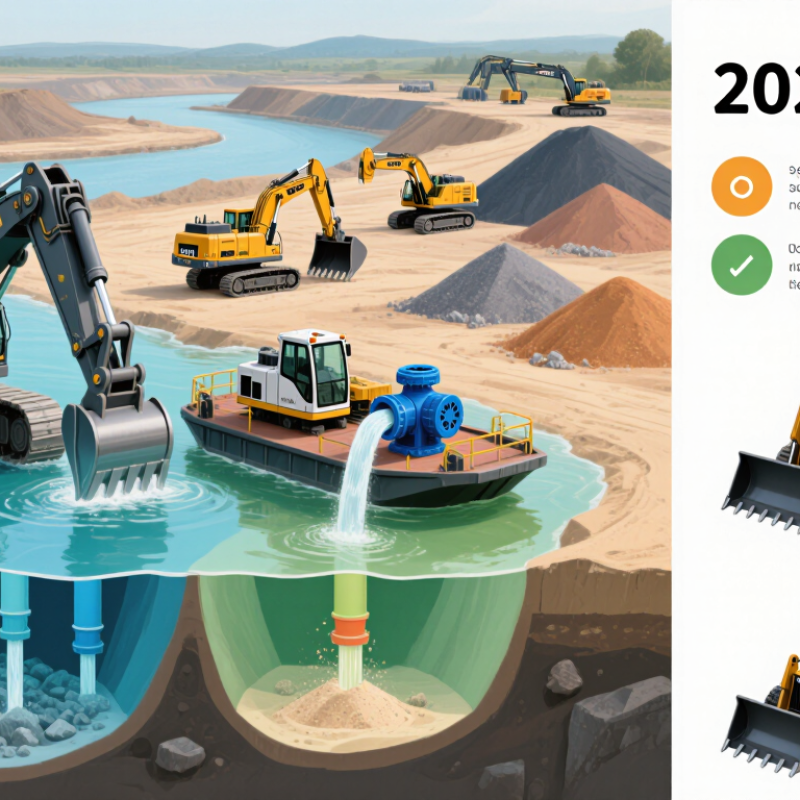
A mining dredge is a floating work platform that removes mineral-bearing material from a riverbed, lake, or prepared pond. A suction pipe draws up gravel, sand, and water; some systems use a cutter to loosen compacted deposits. Pumps carry this mixture, called slurry, to onboard processing equipment. The dredge’s job is not simply to move sediment. It must feed material steadily without overwhelming its recovery system.
At the processing deck, screens separate larger rocks from finer material. Gravity equipment, such as sluices or jigs, can concentrate dense minerals while lighter sand and water pass through. The exact setup depends on the mineral, grain size, and how tightly it is mixed with surrounding sediment. Small changes matter. A worn screen or uneven water flow may let valuable particles escape. Some water can be reused, but operators still need to monitor discharge and settled material carefully.
Choosing a dredge means matching its capacity to measured site conditions, not relying on advertised output alone. Bed depth, current, access, and deposit consistency all affect performance. A sample from one spot may not represent the whole deposit; that is easy to overlook. Test representative material before choosing pumps or separation equipment, and ask how recovery figures were measured. Even then, actual results can differ. Real sites are messier.
How to Assess Your Mining Site and Operating Conditions
Before comparing a mining dredge for sale, map the site in practical detail. Record water depth at several points, not just near the bank. Check seasonal changes, current speed, and the distance from the work area to the processing plant. A shallow access channel or soft shoreline can limit equipment movement. Small details matter.
Test representative material from different locations. Note particle size, clay content, and any sticky layers that may slow separation. A sample from one convenient spot can give a misleading picture. It is tempting to size equipment around the richest patch, but the dredge must handle ordinary ground too. Measure twice. Estimate daily production realistically, then account for interruptions, repositioning, and routine maintenance. Ask how the chosen system will manage water return and where sediment may settle. These questions help reveal costs that a headline capacity figure can hide.
Operating conditions matter just as much as the deposit. Confirm available power, fuel access, lifting capacity, and room for hoses and support equipment. Check whether operators can reach wear parts safely and whether common repairs can be done on site. In cold or windy seasons, the working window may shrink. That estimate may still be wrong; weather and ground conditions rarely follow a neat schedule. Use site measurements, test results, and operator feedback together when matching a dredge to the job.
Which Dredge Types Suit Different Mining Projects
Choosing a mining dredge begins with the deposit, not the machine’s headline capacity. Loose sand in a shallow pond may suit a plain suction dredge, which uses a pump to move material through a pipeline. It is less effective when compacted layers or large gravel resist suction. The USGS estimated U.S. construction sand and gravel output at about 960 million metric tons in 2024 (Mineral Commodity Summaries 2025). That scale highlights why matching dredge output to screening and dewatering capacity matters.
For compacted deposits, a cutter suction dredge loosens material before pumping it as slurry. A bucket-ladder dredge can offer controlled, continuous excavation where deposits vary in depth, but its mechanical systems need careful maintenance. The USACE’s Dredging and Dredged Material Management manual describes dredge types and their operating limits.
Check water depth, sediment size, discharge distance, and expected operating hours against those limits. Small details matter: a long pipeline can reduce production, while changing water levels can leave a chosen dredge working inefficiently.
It sounds straightforward. It rarely is. A site survey and representative material tests help narrow the choice, though early estimates can still miss seasonal changes.
How to Compare Capacity, Features, and Total Ownership Costs
A mining dredge should be compared against the material and conditions it will actually handle, not just its advertised hourly capacity. Ask whether the figure refers to slurry, solids, or an ideal test setup. That distinction matters. A machine moving plenty of water may still recover less usable material than expected. Compare pump output, discharge distance, cutting depth, and the expected percentage of solids. Then check whether those figures suit your site’s sediment, water depth, and seasonal changes. Numbers can mislead.
Features affect both productivity and daily workload. Look for practical access to wear parts, clear monitoring controls, and components that local technicians can service. A screened intake or adjustable cutter may help in specific ground conditions, but extra equipment can add weight and maintenance needs. Request operating data from a comparable project, including fuel use, crew size, and hours lost to routine service. Treat estimates as estimates; actual performance changes with material and operator practice.
Total ownership cost extends beyond the purchase price. Include transport, setup, fuel, replacement hoses and cutter teeth, scheduled maintenance, and likely downtime. Ask how often key wear items need replacement and whether spares can reach the site quickly. A lower-priced dredge may cost more over several seasons if parts are difficult to source. Build a simple cost-per-operating-hour comparison, then test it against conservative production assumptions. The forecast will still be imperfect, and that is worth admitting.
2026 Best Mining Dredge for Sale: Which One Is Right?
Compare indicative solids-production planning bands for common cutter-suction dredge sizes.
Bars show the midpoint of each indicative planning band: small portable, 20–80 m³/h; medium, 80–300 m³/h; and large, 300–1,000 m³/h. Actual production depends on material, pump and pipeline setup, site conditions, and operating practice. Confirm capacity with project-specific performance data.
Compare features
Check cutter suitability, pump configuration, pipeline length, mobility, power source, controls, and service access against your site and material.
Estimate total ownership cost
Compare purchase and delivery costs plus fuel or power, labor, wear parts, maintenance, transport, and downtime over the same operating period.
Choose for the project
Match required production and operating conditions first; a higher-capacity dredge is not automatically the lowest-cost choice.
How to Choose the Right Mining Dredge for Your Project
Choosing the right mining dredge starts with the deposit, not the largest machine available. Measure water depth, working area, and the distance material must travel. A narrow pond with soft sediment needs a different setup from a broad site containing coarse gravel. Ask for representative material testing; a few buckets from the surface may not reflect conditions below.
Check the dredge’s practical capacity against the project’s expected production, not just its maximum rating. Compare pump performance, pipeline length, cutter suitability, and the power available on site. Fine sand can move differently from sticky clay, while oversized stones may slow excavation or block equipment. Small details matter. A mismatched pipe diameter, for example, can reduce flow and raise operating costs.
Also consider transport, assembly, maintenance access, and operator training before making a purchase. Request a clear parts list and service schedule, then confirm that routine components can reach your site without long delays. If possible, review operating data from a similar deposit or arrange a controlled trial. Paper specifications help, but they cannot reveal every field condition. One uncertainty often remains: seasonal water levels may change the working depth after the equipment arrives.


Fabricator
Inside Sales and Client Support Manager
Glass Handler – 1st Shift